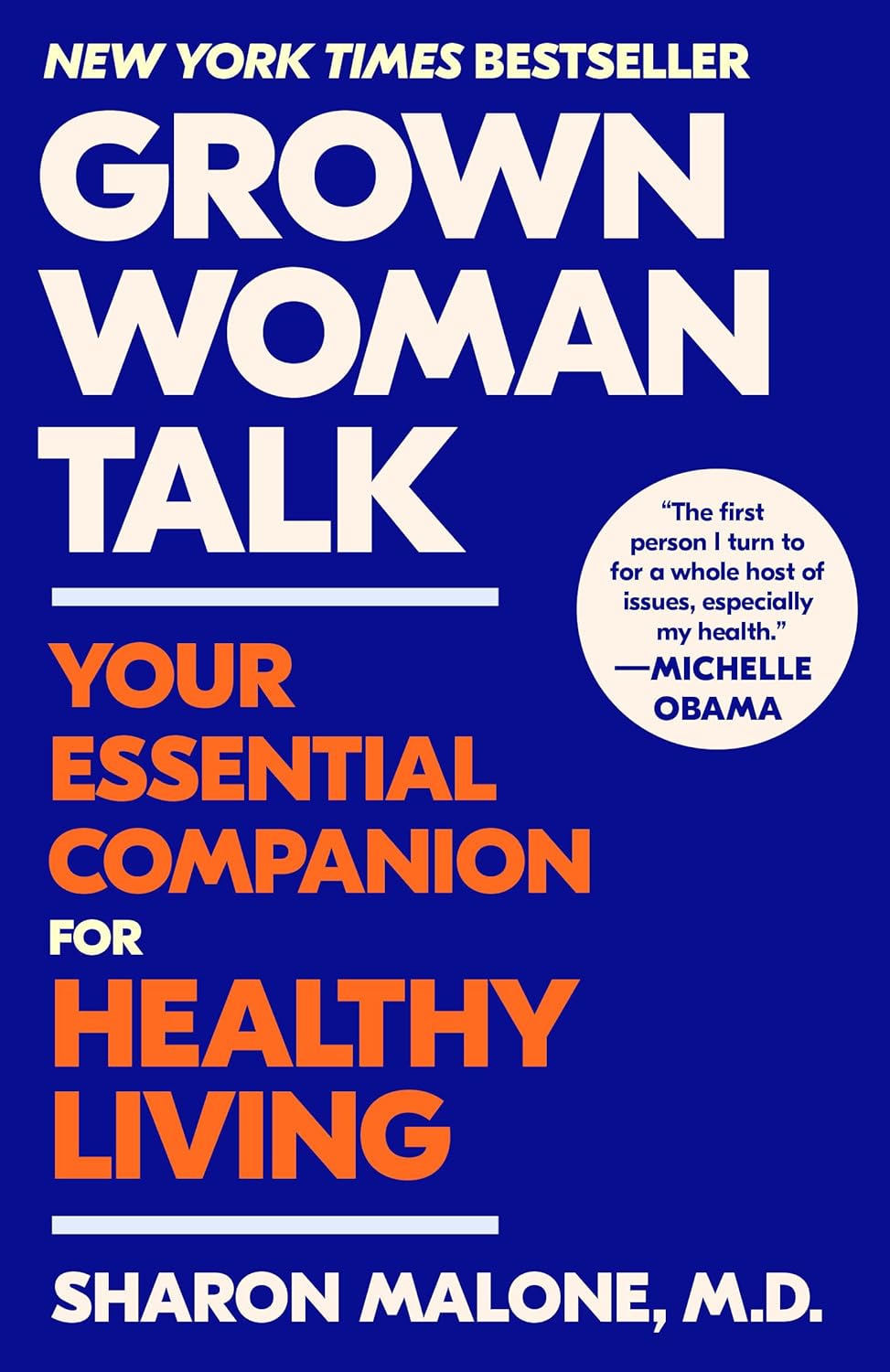
In 2002 one study changed the way doctors treated menopause women were pulled off hormone therapy overnight there was a lot of nuance about the study that didn't really get explained women were angry upset it was picked up on every major news Outlet fear spread like wildfire and two decades later we're still living with the consequences it cemented this idea that doctors had been doing something really to the detriment of women's health not to the benefit and that if you took these awful hormones you were going to get breast cancer and women abandoned hormone therapy in droves Dr Sharon Malone has spent more than 30 years helping women navigate menopause she's not just an OBGYN she's a nationally recognized expert an author and a longtime Advocate fighting for better treatment for women she seen the fear the confusion the suffering and the solutions doctors aren't talking about enough is that mind-boggling to you that they cemented that idea that estrogen causes breast cancer The increased risk of you Contracting breast cancer on HRT is less than the increase in the risk of breast cancer drinking two glasses of wine a day in this episode we're breaking down the confusion the contradictions and the roadblocks keeping women from the treatment they deserve whether they will admit it or not most female OBGYN take hormone therapy why are we denying hormones to women that are asking for them I tell you what the real problem was this is a conversation that should have happened 20 years ago. But we're having it. Now on the tamson show let's get into it November 2021 I was at work reading the news like I did every day and I started to sweat during the newscast a lot I felt dizzy I felt sick I literally had to be escorted off the set and I found myself laying on the bathroom floor mid newscast the truth is I had not been feeling like myself for a while my brain felt foggy my body had been changing I was gaining weight I wasn't sleeping and I was really anxious I was tired all the time I went to see a number of doctors one after another until finally one of them wrote in my patient portal in menopause any questions after blood panels were done to say I was shocked as an understatement I was devastated and I was really angry cuz I had no idea that that was coming no one had ever talked to me about it and. Now after talking to. So many of you I hear the same words over and over again no one ever talked to me about this and you're right no one has most medical schools and residen programs they don't teach this they don't teach your students about menopause it's no wonder.
So many of them are lost when women come in gaining weight not sleeping feeling anxious sweating there have been. So many advocates for women's reproductive Health including menopause and we are here with one of the best in the world let's welcome Dr Malone to the tamson show it is. So good to see you it is always a pleasure to see you I have notes and I know I have no reason for them when it comes to you I know you've had a lot going on and we've had a lot of conversation over the years years there's no question about that I think we've seen a lot change and we've seen a lot not change. But coming off of your book grown woman talk I feel like you're out there hearing a lot of conversations has a lot changed since you left your practice a few years ago and are. Now hearing more talk and we're finally uttering the word menopause publicly yes I think a lot has changed and and and I mean this sincerely and a lot of it has to do with people like you who've been out there really elevating the message because you know I've been having this conversation.
But in the office oneon-one and it doesn't rarely does it get outside of that room. And so now we've got a bigger stage. So yes I think that there are way more women interested in this conversation young and old and I think that people aren't afraid to utter the word menopause. So yay on that lot's changed it really has and I know you you've been talking about the word menopause and treating with for. So many years and I want I want to go into all that because I know there's kind of this before and after.
So if someone says. Okay I'm starting to experience something I don't know what it is early 40s most likely without a blood test is that right you could tell somebody pretty certain you're probably starting in per menopause can you define per menopause menopause and I know you're not a fan of postmenopausal because it's all kind of menopause I've known you long enough yes you know you know the drill I'm not a fan of it. Now either postmenopausal after that I think per menopause is the most confusing of these stages because perimenopause just simply means around the menopause and it is also called the menopausal transition where you go from your Peak fertility years to no fertility and it's that Gap in between and for most women that can last anywhere from four to 10 years if you're African-American woman your symptoms and that period lasts more closer to 10 years then four it is characterized by a lot of things. But the one thing that it is not characterized by is a lack of periods and we think of menopause as being. Okay that's when my period stops right well in per menopause you may be getting your period regularly it may be different it may be heavier may be lighter they may be closer together further apart that's sort of the first signal that there's really something going on is there changes in irregularity and if you don't understand that the presence or absence of bleeding is not a defining feature of per menopause then you'll think oh it's not it doesn't have anything to do with menopause.
But all of those symptoms that we talk about that we associate with menopause can start during perimenopause and the reason why it's not helpful to get blood work during per menopause is because your hormones during perimenopause are fluctuating they may be too high one day too low the next and it is that sort of erratic hormone production that really produces a lot of the symptoms that women have particularly the brain fog the irritability imagine it's like having PMS every day that is sort of what per menopause is like and for a woman to come in with all those any combination of the symptoms that we talked about. But you're still getting regular periods and you go see your doctor you're like what is wrong with me and your doctor says when was your last period if that's your first question and you say two weeks ago and they've immediately taken anything to do with menopause off the table that is not correct and I think that's where there has to be some adjustment with doctors. So they understand that per menopause and menopause are different things and they occur at different times and it's not a blood test you don't need a sonogram you don't need a soothsayer you don't anyone to tell you you know who decid all those things are. Now available it seems out there in menopause world you don't need to pee on a stick you don't need to do any of that stuff to tell you if your per menopausal perimenopause is defined when you say it is when you are having symptoms and you are between the ages of 35 and 45 that's sort of typically when per menopause starts. But because it there's no bright line that signals the beginning of it that's where I think the confusion is and I think that there is also this misperception that you can't start hormone therapy until you've gone a whole year without a period why why would that be because your hormones are fluctuating.
So can you you can start hormone therapy in param menopause you can start hormone therapy in menopause or and I say or we get back to you can use lowdose birth control pills cuz remember I told you birth control pills and hormon therapy are just too you know they're s different you know same. But different because sometimes you need a lowd dose birth control pills because birth control pill because when you are par menopausal if you're 42 and having symptoms the one thing that you are not yet is infertile. So unless you are actually actively trying for a baby and you need birth control then a birth control pill will kill two birds with one stone it'll give you birth control it'll control symptoms if your periods are too heavy or too long or too erratic then a birth control pill may be more appropriate at that particular time. But as you progress through this transition then yeah as you get closer to menopause then sometimes if you if you don't have those other things then yes you can use menopausal hormone therapy can you get pregnant in param menopause the answer is yes yes yes and I told I've told you this tamson yes Yours Truly. Now I did not get per pregnant in per menopause.
But I am the product of a per menopausal woman who probably thought she was going through menopause and here I am. So here Sharon and here I am. And so the answer is yes you can get pregnant my mother was almost 45 when I was born wow. Okay so she was I think that I think that women get confused about that some they go from you know having having babies or or you know those reproductive years that overlap and no pun intended bleed right into Perry menopausal yours exactly without question exactly. But you know what you know there are certain things that you know it.
But you didn't know you knew it you know. But when I tell you that it is sort of that that in between phase that is why as we have made different lifestyle choices you know as women and we're getting pregnant later and later that's why there's more fertil there're more fertility challenges because many of us unbeknown to us have entered that per menopausal phase where your fertility is not gone MH. But it's not what it was when you were not easy yes it's not as easy then menopause menopause is when you've gone A Year Without a period is that right they Define menopause as once you have had your final menstrual period well how do you know you don't know until you look back it's just confirmed when you've gone a year and you haven't had another one because when you're even when you're per menopausal you can have a period period not have one think oo I'm almost done 6 months later and then have another period That's not abnormal. But you can officially say I'm done when I've gone 12 months. But that has nothing to do about treatment options and when to initiate therapy you initiate when you are symptomatic and when you decide.
Okay this is enough I need to be treated for whatever my symptoms are you have a a line about suffering that I I always appreciate. But can you talk about that because we do know that you don't have a choice when it comes to menopause you do not and. You know what I always say menopause is inevitable suffering is not because you know I think that that is something that we as women do we accept a certain Baseline of suffering that just comes with Womanhood whether we're talking about cramps or childbirth or pregnancy or PMS or depression that is sort of what we think comes along with being a woman and you know and I'm here to say no it does not have to be. So the one message I want to leave women with tamson is this is that you do not have to suffer. But by the same token I don't want you to think that oh here take this pill and it's all going to be fine there is a lot of work that you need to do on the front end and I don't care whether you're talking about menopause or whether you're talking about cancer prevention or whether you're talking about decreasing your risk of cardiovascular disease healthy lifestyle matters.
So yes this is a both and yep not an either or. So do the things that you need to do on the front end and when you've done all those things and you are still suffering do not feel as if you have failed you have not you are going through an experience that all of us if we live long enough will and 80% of us will have some degree of symptoms that may need to be addressed whatever those are whatever those are I talked to two young girls that were in their 30s like in the same week last week and both said I'm. So scared about I'm. So nervous about this I'm dreading this and I said wait we're not talking about this. So you're afraid of it we're talking about this.
So you're not afraid of it. So it made me think like do do we need to rephrase some of these things. And so I said. So what would you want to know they said when when does it all end when do the symptoms end I said oh well let me find out because I'm going to do a few I'm going to be talking to some people when can we say that we start to see because I do feel. Now that I'm you know have gone through menopause I'm feeling some of the little more clarity I'm feel like my memory is not as bad as it was in my late 40s late 40s was a pretty brutal time like I couldn't have sat here and had a conversation with you without drifting off or trying to remember what I was going to ask next when do we start seeing some of those symptoms either taper down go away or is it only if you are treating it well you know no some of the things particularly the brain fog that tends to get better you don't you know that you're not just on the inevitable slide to dementia from brain fog which is.
So important to say it is it is not because it feels like that it feels very confusing and and you know and that's a very scary feeling for a lot of women. But that sort of hormonal tumult that's going on during per menopause is really wreaking heav havoc on your brain and. You know what and our friend Dr Lisa muscone has really shown us pictures of what it's doing to your brain how it affects not only the structure. But the metabolism in your brain changes and then eventually months years later your brain adjusts. So whether you take hormones or not the brain fog tends to get better and then you just have to deal with normal aging that thing which we unfortunately we have not found a solution for that yet.
But but that brain fog gets better hot flashes will eventually get better there are certain things that won't osteoporosis will continue you know the symptoms of what we call the genital urinary syndrome of menopause that gets worse and that's painful sex frequency of urination frequent urinary tract infections pain dryness in the Volvo that gets worse with time that's not going to get better how important is it to pay attention to that as that not just being a vanity thing or I don't I have a low libido and I'm not feeling. So great that's something really to pay attention to God that's really something to pay attention to because again it's not just quality of life there's that. But for whether you have sex you know five times a week or never the genital urinary syndrome of menopause is still affecting you because the one thing that we don't really think about and we don't talk about enough is the impact of urinary tract infections in the elderly if you go to a nursing home population most of the people there are women and of those women the most one of the more frequent causes for hospitalizations is urinary tract infections and we know what happens urinary tract infections you know can lead to sepsis mental status changes in the elderly. So it is not just a oh nice to have this is really a health issue that we have to address and whether or not you choose to do systemic hormones which is what we've been talking about basically every woman can use vaginal estrogen you know it maintains the Integrity of the V vagina you know cuts down on urinary tract infections and all those other sort of uncomfortable things that happen with aging I want to break down HRT and hormone therapy and menopausa hormone therapy and there's a a lot of things going around there's a lot of confusion right. Now there's a lot of information you can go to Instagram you know everybody's.
Now hearing the word per menopause and menopause. And so what is hormone therapy. Okay so I want to make it clear because I I still use the old term I say hormone replacement therapy I don't think replacement is a bad word. But obviously someone objected to it Sharon tells it like it is and that's what I love about it yeah I'm like what's wrong with that I don't have a problem with. But hormone replacement therapy menopausal hormone therapy same same yes and all it means is that when you reach either per menopause or menopause then you are using hormones to treat hormonal problem and you know because we know in menopause the it is it is really defined by a persistently low lack of estrogen and lack of ovulation into fertility forever and on.
So you are just giving back not at the same levels that you had when you were ovulating and you were premenstrual. But you are giving back just enough to take care of the symptoms all those gnarly symptoms that come up with menopause hot flashes mood swings night sweats sleeplessness brain fog the list goes on and on and we know it. So you are giving back a smaller dose of estrogen and progestin to for women who have a uterus and if you've had a hysterectomy then you can be treated with estrogen only because estrogen is really the secret in the secret sauce that controls the symptoms that women have during menopause. So that simply is all menopausal hormone therapy is. But to give you an idea women are.
So afraid of menopausal hormone therapy women are afraid of menopausal hormone therapy who've been on birth control pills for 20 years and I just look at them and I'm like girl you've been on estrogen and progestin since you were 25 why do you and you're going to be taking far less of it in menopause than you did before and somehow you know again it's a perception problem of course it is and it's a branding problem menopausal hormone therapy is anywhere from a third to a quarter of the dose of what's in a standard birth control pill it is yes same components the components are different because they have different missions. But they are still as estrogen and a progestogen estrogen and a progestogen just different types and different smaller amounts as a a doctor who has seen all sides of this what the before and after and the fear of hormone therapy has been there was a very different conversation about menopause really when I started in private practice and I finished medical school in the late 80s and started practice in '92 and there was really a lot of conversation about menopause and we were starting to look at it more from the long-term health benefits and that was where when the data was coming in about cardiovascular disease and it was looking very favorable for women who were taking hormones. But to give you an idea of the. So the Arc of estrogen therapy Premarin was you know approved by the FDA in 1942. So we had you know 50 years by the time I started of least at least the being familiar with the concept of using estrogen for the treatment of symptoms and it's interesting what's happened is that the perspective has changed you know primin was out there women knew.
But very few women had access to it because again there weren't a lot of doctors who knew how to prescribe and treat even then and then something happened in the 1960s I think it was 1965 when a gynecologist Dr Robert Wilson wrote this book feminine forever and the menopause was discussed really not from the perspective of women. But from the perspective of men because you know he wrote a book you know all gynecologists were men then. But he wrote a book and he was you know did this sort of owed to femininity and oh ladies you don't want to be a dried up little shrew do you and that was the thing be alluring for your husband that was how hormone therapy was really sold in the 60s and there was a huge uptick in prescriptions because not because of anyone cared about what you felt like. But who doesn't want to be alluring and sexually available that was the that was the big thrust because otherwise why would anybody what's your value you know who's going to want you who's going to want you you know you're done having children and you're not available for sex. So what's the point you know that was really the perspective and it's sold and there was that was the first real uptick in the use of estrogen was in the 60s little sort of tidbit that people didn't know is that the man who wrote it Robert Wilson was a gynecologist however the book was paid for by the makers of priman and that was the first marketing Ploy for women and really told through from the perspective of a man and what we thought a man would want of a woman of middle age.
So that was wave number one I wish I could be shocked with that. But but when we say where did this conversation how did we get here. You know what the french have a saying PL which means the more things change the more they remain the same and we are still sort of going back and forth with this pendulum of estrogen is good estrogen is bad estrogen is good. And so after that after the 60s the one thing that we did find out was that women who were using Premarin or estrogen alone we didn't didn't really know that you needed to add a progestin to it. And so there was an uptick in the in the incidence of endometrial cancer or uterine cancer for women who used estrogen alone.
Now bear in mind there are a lot of women in the 60s who had hysterectomies because you know it was hard to get Beyond menopause with an intact uterus in those days. But for those women who did have a uterus. Okay so that was the first black eye for estrogen was oh it's G to cause endometrial cancer that problem got fixed somewhere in I'd say in the late 70s and they said oh we need a progestin to protect the uterus we're all good again and. Now we're starting to accumulate data on women who had been using estrogen and they found out and probably the biggest one that came up was the nurses study the Framingham nurses study where they just followed women you know nurses who were generally healthy estrogen no estrogen and they found out that the women who used estrogen had a lower incidence of cardiovascular disease. Okay now we're on the upswing again oh and this is when this is probably in the this is probably in the 80s in the ' 80s.
Okay and. So now we're using estrogen not just for the relief of symptoms which it has always done that's been the one consistent thing about estrogen for women who are symptomatic it's the thing that works the best and those symptoms are hot flashes mood swings vaginal dryness we didn't really talk about brain fog then because I think the notion was that all women were Dy you know I mean there's that Edith Bunker thing that's just how women were and. And so we didn't recognize brain fog really as a symptom of menopause. But all of the other things the dry skin the you know the itch the irritability the mood stuff was really what you know was really driving the use of estrogen always worked for that. But as we added progestin.
Now we're like. Okay we've not only got estrogen for relief of symptomss. But we have this great evidence that says you know even though it was not a random you know a randomized study it was actually observational it said the women who used it had less heart disease that's when we started to see the big push about not just the relief of symptoms. But actually long-term benefit for cardiac disease and you know and this is sort of when I entered the story. Okay because you know and the late 80s and early 90s I actually was taught about menopause and I was taught about the use of estrogen because again we were coming at it from a health point of view not just the relief of symptoms because we knew that already right that word was being used quite a bit you were aware if somebody comes in your office that age and and not only that.
But I joined a practice that had been in existence for 30 years before I got there. So I still had that initial wave of women who had started estrogen in the 60s right you know because the partners and they were still there you know taking the these little 80-year-old ladies with their estrogen and they were like no don't take it away and I'm like. Okay but you need some progestin you know and there were a lot of women who had been on it at that point when I entered the story for 30 years and they were happy they were good they looked great and and then. So from 1992 to 2002 you know that was the that was how we were prescribed and thinking about using hormone therapy not just for symptomatic relief. But for we the data was coming in about osteoporosis and the data was coming in about cardiovascular disease both being favorable and you know the makers of priman I said I have to give it to them because they came back at it and they're like.
Okay well we can't pay someone to write a book about it. So we will start with the spokes model and believe it or not the first spokes model for estrogen was was Lauren Hutton the beautiful Lauren Hutton and she was out there and you know. So now again we're getting back to that same sort of you know looks yeah if you use estrogen you could look like Lauren Hutton the vanity of it versus the the health benefits of it and we on the doctor front were trying to really tout the health benefits. And so there was a lot. So you know the pendulum swings again and.
Now it's in favor of estren and Bernard Healey Dr Bernardine Healey May her soul rest in peace was the first female director of NIH and she was a cardiologist and a woman of a certain age. So she was very much interested in doing a study that involved women postmenopausal women and prior to her getting there had there had never been a large scale study involving women postmenopausal women. Now that's hard to believe. But that was that study was started in about 1991 92. So in the 90s that's that's when we've said over and over again that's the first time that women were mandated to be in studies correct and it was her urging that really got the the focus you know on women in midlife.
And so she started the study unfortunately she was not there as the study progressed. But you know we said oh great. Now we're going to prove once and for all you know this little observational data that we have about cardiovascular disease nurses the nurses stud we're going to prove it because we are going to do a gold standard randomized double blind Placebo control study and we're going to manipulate it such that we're going to prove for once and for all that it does decrease the risk of cardiovasular disease that was the point of the study not does it relieve hot flashes not are women's lives improved by by taking hormones that was never the point because again that was established at that point. So the the that study was set out for people who are just hearing about this 2002 study that we've heard over we just we know that year right over and over again that was set out to say that hey there are some long-term benefits of this when it comes to cardiovascular health that was it exactly it was designed as a prevention study it was going to it was to ask the question does the use of hormone therapy decrease the risk of cardiovascular disease which we know is the number one cause of death for women in this country and Around the World Imagine what that would do and how that would change everybody's Behavior if you knew that I could give a medication that was readily available been around for 50 years and we could decrease the risk of cardiovascular disease by 50% that would be huge huge you and I were in that same room when Dr Au blooming said out loud in a room we were at is a as a as a world-renowned doctor that I know that you and he have done many many talks together said is anybody worried about cardiovascular disease few hands went up is anybody worried about breast cancer right the entire room raised their hand exactly and you know and that's the good news and bad news I think really about the the public education effort about breast cancer because we're in a very different place. Now than we were 50 years ago in terms of awareness and screening that's success.
But it is. So sort of elevated that in women's Minds that we think that that is the only and most important thing that women are dying from and it is not it is still was then and is. Now still cardiovascular disease the study shows to look at that and then what happens that that fateful day that I know you remember well well actually the morning after I feel like is what you remember best do I do I do I remember it because remember at this point I've been practicing for 10 years yes all right. So 10 years is two thou I've been telling patients oneon-one every day oh you've got to take this hormon is great and investigators at NIH held a press conference at the national Press Club invited everybody to come listen and they said by the way you know that everything that we've been telling you about hormones and how great it is it's not it not only doesn't decrease the risk of cardiov vascular disease it increases the risk of breast cancer and when they said the words it increases the risk of breast cancer I mean I I I wish I could tell you what a seismic effect it was because this really flew in the face of everything we had been saying about estrogen you know for time Memorial and and just poof it went away women were angry they were upset it was p picked up on every major news Outlet in this country and around the world and it cemented this idea that doctors had been doing something really to the detriment of women's health not to the benefit and that if you took these awful hormones you were going to get breast cancer and women abandoned hormone therapy in droves from a a large percent right and it just from about 38% of women who were eligible to take HRT it went from about 38% to less than 6% and it has persisted it is still in about the 5% range even today 22 years after that study came out and you know that's never the end of the story because you know it's hard for people to realize. But there was a time before the internet and before we had instant access to information and when they held that press conference even the investigators who were participating in 40 centes around the country had no say in the stoppage of that study in the article that came out that made these claims about increased risk of breast cancer it's sort of a group a small group of regulators at NIH came up with this they put it out and immediately it wasn't like it was a years later the doctors who were involved in the clinicals trials protested wow because they were like wait wait wait that's not really what it said.
But again 22 years later we are still trying to you know put that Genie back in the bottle it's been difficult they cemented that idea that estrogen causes breast cancer what did they find in that study we did learn some things from the Women's Health Initiative it was a large study. But here is what the the basic flaw was oh the basic misinterpretation of the D if you are going to construct a study and say we're trying to to prove that it decreases the risk of cardiovascular disease and we're going to do it with healthy women and we're going to follow you over years to find out well the reason one of the reasons why they didn't choose younger women in the study was because women don't you don't see the uptick in cardiovascular disease until about 10 years after menopause. So they can't start a study and say all right we're going to start at 50 and I'll come back and check you out when you're 70 right. So they skewed it such that the women were much older at the start of the study. So the average age of the woman entering the Women's Health Initiative was 63 MH and you could be anywhere from 50 to 79 and still be in the study well that may have sounded I you know I understand their their reasoning sure however that was not typical of who we normally prescribed hormones for we prescribed hormones for symptomatic women around the time of menopause and that's sort of more typical of our population.
But when you start it that far out I don't think it takes a rocket scientist for anyone to see that how are you going to do a prevention study on a 79 year old she either has heart disease or she doesn't and it doesn't matter what you give her at that point you're probably not going to affect that that was the flaw number one and I think flaw number two was that they took that data from older women who were more than 10 years on average after menopause and generalized it to everybody. So the same data that they got from a 63y old they applied it to a 50y old and they also only looked at one medication one dose and nothing else. So all of the other Nuance you know about dosing and you know timing we didn't know. So it it took a very specific finding and maybe if they had said wow if you give it to women 10 years after menopause and the average age of 63 you don't impact their cardiovascular disease right right if you had said that. But it didn't say that said everybody.
But that wasn't really the thing that that really turned women off as I said what what really got them was the the breast cancer of course and the breast cancer study that that part of it was confusing as well because even though there was a slight increase in the risk of breast cancer for women who in the women who took estrogen and progestin not the women who took estrogen only even though there was a slight increase there's this thing in in medical studies when you do a study your results are either significant or they're not statistically right you can't be like it's kind of or it's almost sort of sort of sort of significant I bet it's kind of inching towards that and that's what they did the even at the beginning the the increase in the risk of breast cancer even in that the first past did not reach the level of statistical significance that you could even call that a positive finding. But they still. But they said said that and all you need to do is say those two words all you got to do is say it and wow. And so there was a lot of nuance about the study that didn't really fully get explained because no decrease in heart disease and it increases your breast cancer. So why on Earth would I take that why would I take and that's all listen most people don't know any of those details or understand them because they're very confusing I'm calling my office and I want to know why Dr Sharon Malone put me did this to me right.
So let me what did you feel like as a doctor then did was that was that moment just shocking to I it had to be shocking I'm sure all doctors were like what what do we do next I tell you what the real problem was is that they had the press conference and nobody had read the study because you know you're sitting there you're like well wait a minute it's on the Today Show. But where can I actually read it it took almost two weeks for us to get access because the this was the days of snail mail where you had to wait on a journal to actually come to you and you had to open it up and read it and even then and that's the point I really want to make even then when I read that article I said it didn't say what they said it said wow that's the part I think is missing in this story is that there was immediate push back to it you know when you talk to aam Blooming aam said you know said the same thing how did that get left out of the story because that that immediate push back I I would have hoped was right up there at the top with what those headlines would be right well if only we had the internet back then if we had had Instagram we had I could have posted something right away I have to say though it is it is stunning for and and I understand it was a different time back then however We've we've still had a lot of conversation about it. Now but the fear is. So overwhelming that it does not negate that in any way well. You know what I I think what's happening and I think the reason why we're going to really make some Headway is that there is.
Now a generation of women who never heard that story most OBGYNs whether they will admit it or not most female OBGYNs take hormone therapy of course the ones who did I I I kid you not I couldn't convince them no matter what I said I'm like really I read it it didn't say that it didn't say that I couldn't convince my best friend that I wasn't telling her something and I kept thinking I was like you know come on I when I I was. So convinced that that was not the case that at the time I was not menopausal I was only 42 years old. But when the time came and we were still having this negative I was like I would I' take hormones and it didn't I didn't give a moment's hesitation because I knew it didn't say that yeah and most OBGYN whether they will admit it or not most female OB GN take hormone therapy of course because we know and we're like no I didn't say that you have a story and we talked about it in the documentary The M factor it's the part of the film I think where everybody everyone comes into this film it's an hourlong film I interviewed you for it a few years ago on your birthday Sharon kindly came to my home on her birthday to do this interview and we didn't really know what we were doing then we just knew that we wanted to try to get this out there and you tell a story in that where you as as an OBGYN go to your general practitioner I think and you're you're you discussing having your F your followup. But I would like you to tell the story about somebody telling you what they thought about your decision of taking hormone therapy yeah and and I will give you a followup to that story I like that. Okay this was a new internist and she and I and I knew we and I knew each other from before and she said you know she's just taking your history and what medications do you take and I tell her I saides and I take HRT and I told her what I'm taking and she looked at me and she said you know I'm not a fan and I was like you do know what I do for a living don't you I didn't ask you that I need some other advice.
But I pretty much got that and I all I could think to myself is that if you would say that to me MH then I can imagine how forcefully you would discourage anybody else who didn't know better and that would make them go home and say oh maybe I shouldn't be on this stuff and throw it away and the followup to that is I just saw her not too long ago and guess what she said to me and I this is almost a direct quote I got all my lab work back and everything and she says oh my God I don't know what's going to happen. But she said one thing you're not going to have is a heart attack. Okay my heart Stu was perfect my God per I love that I love hearing that well you do have a heart of gold I do know that for sure Dr Malone we have three questions to ask our menopause provider what are we asking them I think the first thing that you need to ask is that whether or not they think that hormone therapy is right for you because that's going to tell you a lot because you're going to come into that conversation loaded for bear and you're going to know whether or not it's a good idea and whether or not you want it. So the response is important I think the second thing is to make sure that you know to ask them and make them aware of all the things about in about your family history that are important to know and again make sure that you come in loaded knowing what those things are and to ask what are the things that I need to be screened for personally based on that family history if you had to give advice for younger women how should they prepare for menopause right. Now you know I say things over and over and again because I think that hopefully they'll sink in take care of yourself exercise watch your weight make sure that you're having a diet that's not full of you know Ultra processed foods.
But again there's some Joy not everything. But try to do better and if you do these things because I think it's. So important because the better shape you are getting into this process the better you're going to come out on the other end of it and the other thing I would tell you woman is stop obsessing about weight I want you to pay attention to what is healthy for you and and you go to your doctor and your doctor will tell you is my blood pressure good is my blood sugar good am I not showing any signs of metabolic syndrome then that's good and we've got to leave that sort of impossible image behind focus on health not on weight I want to talk about age and I want to go back to one thing that that we we've talked about before and we addressed in the documentary. But I'd like to address it here we talk about African-American women having par menopause longer. But also I know we've talked about the fact that there's not enough research there.
But more intense symptoms of as well can we address that yes there was a study called the study of women Across the Nation or the swan study where they actually just followed for over 25 years a group of women you know before you know when they are premenopausal through per menopausal and Beyond and that's where we got we've got a lot of this information about how long does it take to get through this transition really came and it has a very representative a very diverse group of women that they followed and that's what we have found that the experience of menopause is different depending upon different ethnic groups African-American women tend to go through menopause earlier about a year earlier Hispanics a little bit earlier. But not as much as African-American women their symptoms start earlier they're more severe they last longer they complain about them the least and they're the least likely to get a prescription for medication even when they complain of them. So the experience and is it something. So different about being you know is there something biologically different between African-American women and white women in this country probably not. So much.
But there are a lot of other things about the lived experience and the other health issues that we come to it with. So it's not menopause per se it's how you inter menopause and to know that women who are most at risk for a lot of the things that we talk about that happen in menopause and for have that population of women not know that they are at risk to not have the opportunity to say yes or no about whether du hormone therapy because that's where I think the misinformation takes hold and I think that there is also the the a problem with the medical community and that because that was really what I was taught is that black women didn't have hot flashes as badly as white women did. Now and let me just say there they had a rationale for it it wasn't correct. But but the thought was that after menopause because black women were have a higher weight that some of that they're going to convert some of that peripheral estrogen in in fat tissue. So they don't need estrogen that was what I that was the rational about what was taught you're also taught things like black women don't get in don't get osteoporosis not true the issue of of whether or not you have osteoporosis has nothing to do with your race it has to do with your bodybuild.
So a thin black woman is as much if not more at risk for osteoporosis than a thin white woman. But we're looking at color of skin and not the person in front of you how do we stop that and start getting that access into communities to hear this information because it should the bare minimum should be able to have the education and of hearing all of these things and be able to have access to that at the bare minimum we can go into in insurance and access to doctors and access to care. But the bare minimum should be access to this being able to be educated about this and and understanding it and hearing it one we have to educate doctors better yeah. But even when we do we're really faced with the reality is that the the reason why all women don't generally get the conversation about menopausing about menopause here it is an iterative conversation it's not a oneand done it's something you should be talking about preparing for knowing what to do when that happens and that's the one thing that is in short supply in medicine today is time and doctors don't have time to talk about it because they'd rather like you know if like if I can just move along or you're taking too long or it takes me too long to explain to you it's. So much easier to just skip it and I don't think it's because doctors are trying to be trying to do bad job it's just that they don't have time and this is where I think again the work that you've been doing the work that Mary CLA Haver has been doing is realizing that we have to take the information to the source we can't wait for people to you know lead me along on this and I think that the better educated women are the better they're able to advocate for themselves that is why you know I joined alloy Women's Health simply because it is a digital Health company that is doing what I was trying to do in my office one onone because you realize that currently our medical system doesn't support the kind of conversations and the kind of access that we should all be I do want to go back to that in the in the education of of doctors and we'll just touch on that briefly.
But what you learned in medical school versus what was what was happening 20 years later 10 years later in medical school very different yes. But there are a lot of things about medicine that have evolved you know and I think that that's the problem we can't get stuck yeah. Okay we may have believed one thing y. But now we know better we should do better by our patients I mean you know we have to think about you know when when and if whenever I hear a doctor say something and they're. So absolutely Resolute about it I was you know I remind them I was like you know there was a time when we thought bloodletting was a good idea you know you know leeches how about that you know I mean we've done a lot of things that have not turned out didn't work out great.
But so a little humility is in order and I think that when you tell patients that I am giving you the best information that I have today will that be true forever and on maybe not will there be something else that will I I hope that we'll be able to refine what we're doing and to have better options for women 20 years from. Now and we'll know something then that we don't know. Now I mean that's that's what we do you know we learn we do better and we have to do better we have to do better in terms of inclusion and studies we have to do better in terms of having studies and the money going toward them right I mean women have been overlooked forever when it comes to how we are treated that we are not in we were not involved in medication studies we're not involved in even the the trials for medical devices they're done on men and we have to really come to grips with the fact that our physiology is different our hormones make us different and I think that the the reason why. So many studies were done on men is because you know again they looked at your hormones and said well that's pesky and that's going to mess up our results we need something that's more steady state like men you know they pretty much have the same amount of testosterone and they didn't want those all those hormonal things going on messing up their study results even the laboratory studies were done mostly with male laboratory rats because they just didn't want you know unless they were looking something specifically about fertility we didn't even have rats no no they would do you know if they were trying to figure out about breast cancer or something like that. But if it was wom related if it was female related I want to do this real fast because we did this a while ago on Instagram when we talked about who can and who cannot take hormone therapy if we can just in a nutshell let me tell you what what the FDA has you know and we all know.
But the FDA indicate has indicated that hormone therapy can be used for vasomotor symptoms the genital urinary syndrome of menopause the things that we talked about it can be used for the prevention of osteoporosis and it can and should be used for women who have either early or premature menopause and early menopause means your menopausal before before age 45 premature menopause means your menopausal be before the age 40 those are the four indications for hormone therapy by the FDA. Now they also give you some guidance on who can't or what are the contraindications to taking hormone therapy one is a personal history of breast cancer or an estrogen dependent cancer like endometrial cancer if you personally have had a heart attack or stroke if you have liver disease because the oral medications are passed through and metabolized in the liver and the fourth thing is undiagnosed vaginal bleeding because that's a sign could be of endometrial cancer. So we need to know what that's about that's it notice what's not on the list of contraindications hypertension obesity smoking a lot of things that we use to not give women hormone therapy are not in the contraindications and I think that we can all agree that the FDA is amongst the most conservative you know organizations that will tell you if they knew for a fact that you couldn't do it if you had these other things. But we are we are denying hormones to women who have a family history of breast cancer we are denying hormones to women who have hypertension even though that hypertension may be treated we are denying when oh migraines oh you can't have it there's no that it's not in there why are we doing it why are we denying hormones to women that are asking for them or want to take them and I'll tell tell you why and and I think some of it is extrapolating some of the contraindications to birth control pills. Okay to hormone therapy you can't you shouldn't smoke and take birth control pills right right.
But remember I told you that's three to four times the amount not true for hormone therapy. So we are in addition to women not really seeking out and being afraid then that's where this sort of gatekeeping comes in with Physicians because Physicians are not offering because they are thinking that the same contraindications to for MHT or HRT are the same ones for birth control pills and they are not. So there are all these women who are out there who are not being treated and there's no real data to support that. So when you look at the four reasons why they can't oh and the other thing I forgot there was one more and that was about blood clots you know if you've had a blood clot in your legs or lungs. But even the breast cancer and the blood clot issue we've come back and we've Revisited that because that was all based on oral estrogen only.
Okay and we. Now know that there are other modes of delivery such as a transdermal estrogen that you can use that does not affect the blood clotting factors as much as oral and you can also look at the issues with women who have had breast cancer and women who are breast cancer survivors who are years out from their diagnosis and are are probably cured then that is a more nuanced conversation where women get to be involved in that conversation it shouldn't ever be someone that tells you absolutely no never it's a matter of your quality of life what your risk tolerance is and what your treatment goals are and family history of breast cancer is not a reason to say it's not I have two sisters with breast cancer and that gives me not the slightest pause because the other part of that study that never really got out there was that even even if you took the Women's Health Initiative at face value where there was a almost significant risk of of you know increased risk of breast cancer there was no difference no difference in the mortality rate. So even of the women who took hormone therapy you were no more likely to die of it whether you took it or you didn't take it. But here's the part that never got the the the real the press that it should have gotten and that is for the women who took estrogen only in the Women's Health Initiative the women who took estrogen only in that study not only had a 23% decrease in the incidence of breast cancer. But they had a 40% decrease in the risk of dying if they took estrogen than if they did not if they could if they got breast cancer.
Now that's huge it's huge that's huge. So you have to say that whatever the relationship with estrogen and breast cancer it's it's complicated it is not cut and dry and here is something that I think is that I have said before and you know it's just come come up again and that is the relationship of alcohol and and breast cancer. Now talk about that relationship we make choices I you know like am I going to go have a glass of wine probably. But to know that to give you a an idea of how small the risk is the risk of the increased risk of you Contracting breast cancer on HRT is less and that's estrogen and progestin not estrogen only is less than the increase in the risk of breast cancer of drinking two glasses of wine a day it is less than the risk of being overweight it is less than the risk of being physically inactive. So you.
So you can what is going on you can put this anywhere you want. So you know this is how this is how I choose to rationalize that I'm going to take my hormone therapy I will exercise I will make sure I get enough sleep I will try not to be overweight if I can help it and then I'm going to have a glass of wine. Okay so you know I love you I you know I mean come on there's got to be some joy in the world right there has to be some Joy in the world how long can you stay on hormone therapy as long as you like. Okay and let me say this because there are some people that it really is that it makes more sense to stay on because what we do know about osteoporosis and the prevention of osteoporosis for women who are on hormone therapy if you stop your hormone therapy and they're used to and and I will put myself in this category that we used to think that oh. Okay because of that oo breast cancer thing you should only be on it no more than 5 or 10 years and then come off of it not true.
But what you lose by coming off hormone therapy is all that bone density that you preserved while you were on hormone therapy if you stop your hormones when you're 60 or 65 years old you will start to lose that bone again and within five years you will be right back to where you would have been had you not taken it. So if one of the reasons that you are really taking hormone therapy is that you are concerned about your bone density and not fracturing your hip when you're 80 then you should continue it indefinitely and what about when you can start after you. So you've hit menopause and then you heard about the study and were scared and didn't take it for five years. So you're five years out of your last period can you start hormone therapy. Now and again this is data that we've got from the women's health initiative and what of the few patients and they were only about 10% or.
So that were actually in the 50 to 54 age range in the women's health initiative and they found that all those terrible things that we said it didn't apply to those women. And so what we found is that for women if you start ha hormone therapy before age 60 or not an or within 10 years of the natural mental pause then all those bad things that we said are not true about breast cancer and it's not and not only that. But there is some card CC benefit if the earlier you started. So I think that there is no benefit and this is why I tell women all the time it's not like you're doing yourself a favor you're like oh I'm just going to hold out for as long as possible and then I'm going to take it because I only have five years to take it no you take hormones actually there's evidence that the earlier you start it when you are experiencing symptoms the better and because there is no age limit on when you can stop. But you know you don't why suffer for two or three years and then like you know say and then get started.
Okay let me say this because. But I'll say one thing too because this is where it requires a little bit of more conversation because the question comes up oh I missed the window you know I'm 62 can I take can I still take hormones and again I would say the answer to that is a qualified maybe because again it depends on on whether or not you know again what your treatment goals are if you're 62 years old and you're still having hot fleshes and not sleeping then I would say provided you don't have any of those other contraindications that we talked about why not you know make sure that you are healthy enough to do it. But you know again just know it gets back to like the leeches things some of the stuff we know and some of the stuff we just kind of think and made it up or we've inferred exactly exactly know exactly and that and that's what I and that's what I worry about because I feel like sometimes we infer it and people get really confused right. Okay I I have to bring this up because you posted this on Instagram not your mom's menopause this is around 2001 I think right before the women's 200 before the women dark hair. But what I.
But I what I love about this is that you have been talking to women about all th this article could have been written today this article you said the good news is that women have options to help them manage menopause today that their grandmothers and mothers didn't have a decade ago this is this is the same conversation we're having yeah yeah is that mind-boggling to you and we were talking about the onslaught of the Baby Boomers that's exactly right it's the Baby Boomers Boomers it's brand new to millions of female baby boomers experiencing what's known as the change of life Sharon Dr Sharon Malone you've been doing this for a long time and helped millions and millions of women as you continue to do. Now thank you and. You know what and tamson thank you for getting the word out and elevating this conversation otherwise I'd still be sitting in my living room talking I don't think. So to my best friend who I couldn't convince to take hormon we're gonna we're we'll we'll get her we'll get her someday one if you want to leave women with one thing and I know grown woman talk we we talked a we touched a little bit about it. But I think the most important thing about that book is you didn't write a book about menopause you wrote a book about women understand in that they had to advocate for themselves and take care of themselves and fight for themselves and what they needed to know throughout the health span of their of of their lives and be aware of in life in general what is one thing you want to leave women with or that's surprising you as you come up and and talk to different communities of women around the country you know the one thing that I want women to understand is that you have more control over how you age and how you age healthfully than you think because I think that.
So much of us to sort of you know seed that space that either someone's going to take care of us or whatever outcome that I think is that is something that's inevitable because oh I have a family history of this or that and I'm here to tell you no that is not true and I think the more you know the better you Advocate you can be for yourself for your family and I want women to not fear this next phase of life I will be we're almost spinning our birth my birthday together I know I will be 66 years old and you know in a couple weeks and I want women to know that whatever you thought menopause was or whatever you think 65 or 70 looks like my God Gail King was on the cover of Sports Illustrated for God's sake this we are out here and you are out here being positive role models. So young women won't be in a position where they're thinking oh my God my life is over no we're here to tell them your life is just beginning all you have to do is stay healthy enough such that you can take advantage of this great time of life you're. So wonderful thank you. So much thank you thank you here's what I know today you cannot let anybody tell you your symptoms aren't real or that they're just a part of life and aging and that you don't know what's best for you if your doctor says it's not a big deal or all women go through this you better go find yourself another doctor seriously I have had. So many conversations with Dr Sharon Malone and I learned something new every single time I really hope this conversation was helpful to you and at least answered some of the basic questions about per menopause and menopause.
So you don't go into the stage of Life afraid or feeling confused I just want to thank you. So much for listening and if you like what we're doing and I hope you do give us a festar review wherever you listen to your podcasts thank you. So much for listening to the tamson show and I'll catch you guys in the next one the tamson show is an original production by authentic wave executive producers Scott Weinberger Kevin Bennett and Rebecca greerson brand director Johanna offn our line producer is Sabrina sé editing by Zack Smith and Marquee Harris