I don't think I have to tell you women everywhere are facing a health care crisis. There are not enough trained doctors who understand how complex pmenopause is and then there are just too many women being left without clear answers or support. Perry menopause is really crucial because it's really easy to get misdiagnosed. Today I'm joined by Dr. Heather Hirsch, a Harvard trained internist, pmenopause specialist and author.
You could be reading the wrong books, looking at the wrong information, talking to the wrong people. She has been on a real mission to transform how perry menopause is treated and how to train the next generation of doctors and also give women evidence-based care they've long been denied. This is the most crucial thing to how women age because in this conversation, Dr. Heather Hersh is going to be our pmenopause tour guide walking us through unexpected symptoms to solutions. We are just scratching the surface, but there's so much more to learn.
Let's go ahead and get into it. Dr. Heather Hirsch, welcome to the show. Thank you so much. So excited to be here.
Well, it's always great to see you and I I especially love the fact that not only are you educating women day in and day out, but clinicians are also who you're educating. And I think that that's a really great starting point. Yeah. Because I don't think until I did a lot of research for the documentary, The M Factor, how little clinicians got any kind of training in medical school. Can you talk a little bit about that and what got you involved in really leaning into that part?
So, I always wanted to take care of women and so I thought to take care of women, you have to become a gynecologist and deliver babies and that really typifies what we think about women's health still, which is delivering babies and also then how not to have babies. So, contraception, birth control. I went to my OB/GYN residency and I found that my favorite thing was talking to women. I love just sitting and talking. I could talk forever, but when there's like babies coming or surgeries, like you need to be on your feet.
So, I decided to transition to internal medicine. And when I did that, everyone came to me for questions. So, they'd say, oh, they knew me as the OB/GYN resident. Can I give this pregnant lady chase? Can I give her Tylenol?
So, I kind of started answering all their women's health questions. And I was astonished at how little they knew. And I was thinking to myself, you are some brilliant doctors. I had a friend who was going to Mayo Clinic for cardiology. I had a friend going to University of Michigan for hematology oncology, but none of them knew how to treat a yeast infection.
Now, this was before we even knew about menopause. This is just your basic obstetrics and contraception. Isn't it amazing that we say before we even knew really about menopause? Even though, right, how long has that been going on? Before it was in the actual zeitgeist and, you know, the 2020s, right?
So, I decided to do fellowship training at Cleveland Clinic. I was at Case Western for my residency training. So, they're right next door. So, I thought that I was going to learn all about periartum care and postpartum care and contraception, but my mentor, Dr. Thacker, she just did pmenopause, menopause, and HRT.
And I had no idea this world existed. Even though I had been a women's studies major in college, I had gone into OB/GYN and then transitioned to internal medicine, nobody talked about menopause. I mean, it was really a two sentence sort of conversation. Menopause is when your periods end. That was it.
Well, first of all, why is pmenopause so important for women to learn about, especially younger women? I think this is really so huge because it's so wonderful if a woman knows what the cues are when her body first starts to change as opposed to being really reactive which is I mean better than having you know again no response to pmenopause and menopause but sort of avoiding getting to that crisis stage. So I call that crisis stage when you're, you know, just up all night like for several weeks. You look in the mirror, you you don't recognize yourself. You've got terrible brain fog.
Your mood is bad. You're contemplating divorce. All the things that's crisis mode. If we can help you understand what's happening to your body beforehand, I.e. In pmenopause.
Hopefully we have less women ending up in crisis mode. So what age should we be starting to think about pmenopause? You know, I think in our 30s, maybe even our mid-30s, but I see so many women who are really having symptoms in their late 30s, early 40s. So, if we're going to start educating beforehand, it's probably somewhere in our mid to late 30s or maybe after childbearing, you know, not we don't all know that we're done childbearing and we're not all going to have children, but that's kind of where I'm sort of sort of thinking that could be a good age to start talking about this different transition. And yes, as women, we always have to think about these transitions, right?
We do. And do you think there's ever going to be that baseline? Like we have this baseline for mammograms. We have a baseline for, you know, different tests throughout colonoscopies. Is there ever going to be a baseline for pmenopause?
Wouldn't this be wonderful? Let's envision a world where at 38 you had your like pmenopause menopause assessment visit. And all they did, all a clinician did was sit with you, talk about what you might be experiencing, talk about your periods, your health goals, your health history, and like what could be kind of down the pipeline for you. Like that would be perfect. I would say 38.
I I would I would say any anytime we before you get past it, you know, because my my story is is that I had all those symptoms, but I had no idea until I real I found out that I was in menopause, which when I look back at this span of years and years and every year was a little bit different and every symptom was a little bit different. So, I didn't know the word permenopause until, you know, my journey through it was was pretty debilitating in a lot of ways. So, you had your own personal pmenopause experience. Talk a little bit about that and how you've interfaced that with your work. I would love to because as someone who's been thinking about this since 2014, after my first couple of nights of having hot flashes, I I thought I was sick.
Yeah, I know. I know. Even me, this is what I talk about day in and day out. I was pretty sure it was just it was going from, you know, the end of the summer to the to the fall. I thought we were just turning on the heat.
Like, it just has to be hot. And it would happen for me in pmenopause right before my period. And I started to really kind of sit and put it together and I thought to myself, "No, I did not just miss my own hot flashes." And then I started having trouble with my hair. And this is something women would come to me all the time and they'd say, "I know this sounds so vain, but my hair is falling out and this is bothering me." And when my hair started falling out, I I I felt the exact same way. I just didn't feel like myself.
I didn't feel like my identity. So those two things started happening. I started putting it together and that was really the beginning of my pmenopause journey. And these journeys can vary persontoperson. They can be very severe in a lot of cases, especially when it comes to mental health.
I want to go into the difference first though, just so people understand and they can kind of figure out where they are. The difference between pmenopause and menopause. Yeah, this is always a great place to remind women because they have so many questions and I do think it's helpful if you know if you're permenopause menopause. So menopause is when it's been 12 months of no period. And you may have heard that before, but some women don't have a great way to really mark that.
Maybe they've had their uterus removed or they're taking birth control and so they don't get periods anymore. And so that can make it really hard to know what stage you're in. But menopause is when there's been no period for 12 months. If you can't use your period, you can check a FSH level or follicule stimulating hormone. And the more consistently that's elevated, that could be your sign that you are into menopause.
But really, period history will trump lab work. So, you only want to use the labs if you just don't have periods. So, if you have somebody that has a a silent pmenopause and they don't realize these symptoms of heavy periods, irregular periods, not being able to sleep, maybe some more weight gain are hormonal. What do you say to them? You know, it's still great to journal and track because even if it's really subtle, knowing just what your periods may be doing or when they're last stopping because I can't tell you how many women I've seen, they'll come to me two years into menopause and they will not remember their last period, which I get.
I wouldn't either. And so, it's still nice to actually really track or if you are one of those women who has silent symptoms, it's still nice to really think about what are my health goals going into this next decade. What are the things I'm hearing that I want to have my questions answered? And really still be really mindful about our health because you can take it for granted if your symptoms are silent, but then all of a sudden things can shift in an instant. What are silent symptoms?
What does that feel like or look like? Well, so the the obvious one is bone health. So our bones are going to lose density and we don't feel our bones. No, of course not. Of course not.
Until we have a problem. Until we have a problem. Until we have a hip or a spine fracture which is going to completely change your life. So that is really silent. Even though a lot of women will say, "Oh, I do have joint aches and pains." That's osteoarthritis.
That's the wear and tear. Whereas low bone mass you can't feel. We also actually cannot feel our brains changing. Now sometimes we can say we feel a little bit of brain fog. My brain is changing a lot lately.
We also can't feel, you know, our vascular system changing. So we can't feel if our vessels are getting full of plaque or if our arteries are getting clogged. I mean, those things sound terrible, but you know, we don't have a way to look at them like a plumber does. You know, the plumbing in your house, but all of those things are silent. They're all changing without you ever experiencing any symptoms.
We talk about hot flashes all the time. That's something we fixate on. We make jokes about it. We talk about it. We fan ourselves.
That seems to be the one kind of trademark symptom. And I don't know why we we pick that one. I out of all the other things that we could pick from, right? You know, when I ask women, I did two studies on this. One at Harvard when I was faculty there at Brighamin Women's Hospital and one at my own tele medicine practice and I asked women which symptoms and you'll you'll appreciate this had most significantly influenced your quality of life or altered your quality of life and the number one both times brain fog.
So, back to the brain. I I completely agree. I don't think we had the vocabulary for it for a very very long time or we said women were ditsy or had rage. You know, we we used something else. But I'm always curious why hot flashes are the big joke society.
Exactly. And I think I heard my good friend Rachel Rubin once say like it's the worst PR campaign is to talk about hot flashes because there's so many things that change with us. And most women will tell me, "Yeah, the hot flashes stink." But like, I can I can deal with that if I have to, but I can't deal with, you know, the brain fog, my change in productivity, not being able to get through my list, not being able to be intimate with my partner. Like, hot flashes, they suck. Sure, but like I can do that.
The rest of this, absolutely not. What is a hot flash? You know, a hot flash is interesting. A lot of people think it's actually just a change in core body temperature, but it's not. So in the hypothalammus, which is the part of our brain that controls our temperature, it's almost like estrogen is what controls the thermostat.
Isn't that crazy? Okay, that's estrogen. But estrogen controls the window of that thermostat. It's pretty wide. Let's say up until pmenopause and menopause, as we lose estrogen, the thermostat or how much variability we can handle decreases.
And so therefore, if there's a change in ambient temperature, your body now without estrogen can't respond as fast as it would when there was this wide ability to be able to handle that change in temperature. So it's almost like estrogen's controlling the thermostat and as estrogen's declining that the the window or how much it can change temperature really quickly will narrow. So what triggers it? Because I know we've talked about different kind of foods. I know that alcohol and coffee like two things that most women are like I can't do without that are really do have an impact on hot flashes in our bodies.
Exactly. And you know it's funny even in like nowadays we still aren't exactly sure what triggers it. But we do know that the vessels will squeeze and so what a hot flash is is the vessels squeezing and then releasing and then vessels all over your body and then releasing. You got it like all over your body, which should make you think to yourself, right? You're already like, "That doesn't sound good." And so, we know that the longer women will have untreated hot flashes, actually, the higher rates of cardiovascular disease they will have because that doesn't sound like it's very healthy.
Yet, there is still this mantra of like stick through it. It's not that everyone has to do one thing to get through menopause, of course. But I think understanding what's really happening is that this is our cardiovascular system reacting in a way that's actually causing all of these vasoc constriction and then dilation you know it actually makes us think hm maybe maybe we should seek help for that but I will add to that list we know spicy foods coffee and the coworker I cannot tell you how many of my patients tell me that stress stress will trigger their hot flashes from their co-workers. Yeah. Or anything.
So, when we're talking about a heart and we talk about hot flashes, can you explain the correlation between hot flashes and your heart? Yeah. There's actually a lot of of of, you know, things that happen when we're flashing that happen around our heart. So, we have these coronary vessels and they're the vessels that supply blood to the organ, the heart. And so, we obviously want those vessels to be the healthiest pipes that we have.
We want them to be nice and clear and clean because if they get clogged, we get heart attacks. Now, we know that when women take hormone therapy in the first 10 years from their last period, we know this actually from the women's health study, even though we call that study the bad study, it really actually gave us a lot of interesting information. We know that actually because estrogen releases a chemical called nitric oxide that actually helps to dilate the vessels and then you have these nice healthy dilated vessels surrounding your heart. And so actually in 2020, the American Heart Association for the very first time actually identified menopause as an independent risk factor for developing cardiovascular disease. Yet this is crazy, but 2020 was also a busy year for something else that was going on.
Something else was happening. Something else was taking over the health news. And so as we lose estrogen, we can have a little bit more vasoc constriction or of course that can also then lead downstream to potentially more dysipidemia or diabetes. We know that women who take hormone therapy actually also have less progression to diabetes. It's crazy.
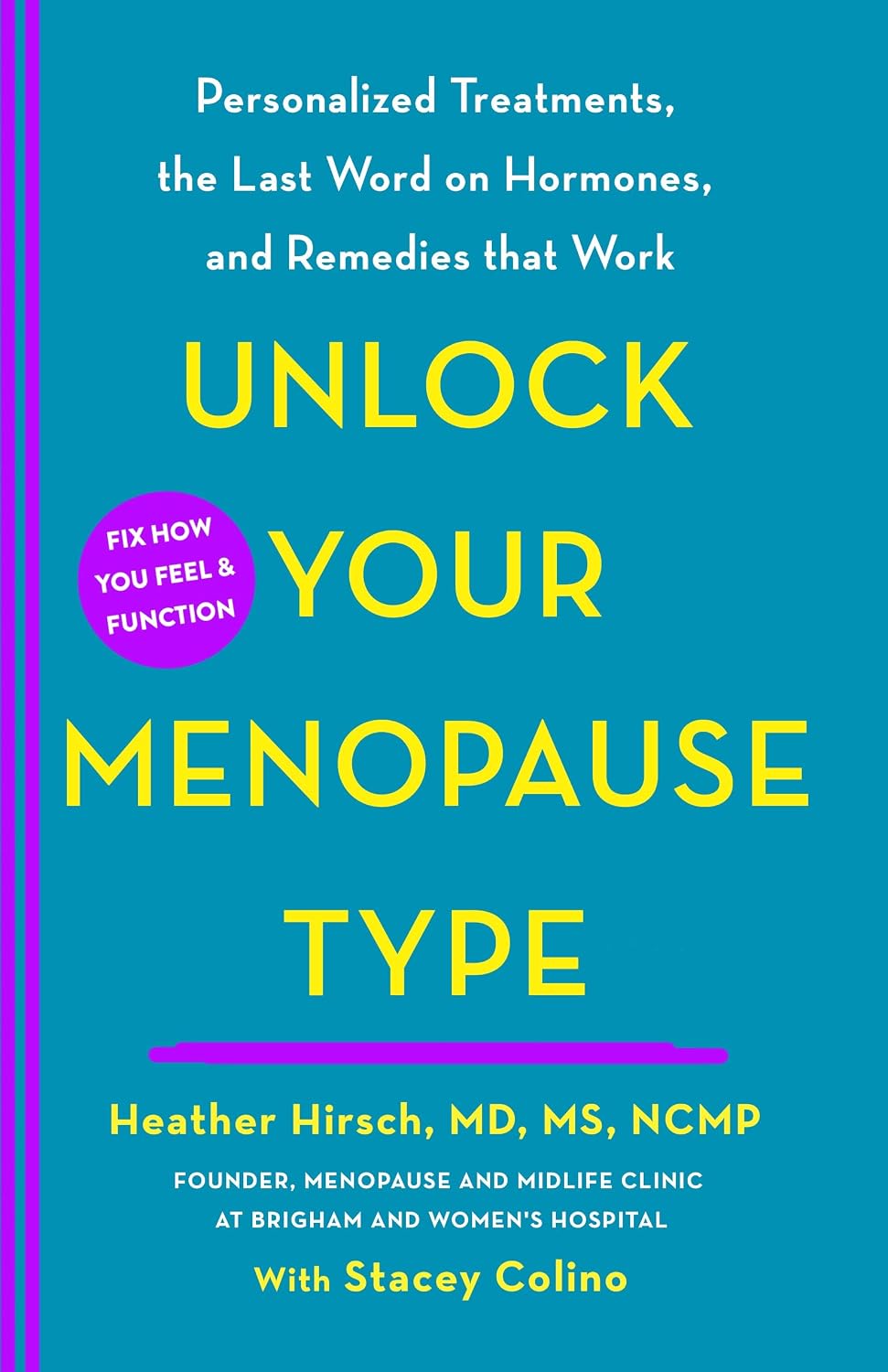
And so as we lose estrogen, there is a correlation, I don't know if I would say direct or indirect, but somewhere in between of the coronary vessels changing and not necessarily so much for the better. And that's the problem. And I think that we don't realize those correlation, we think we're treating hot flashes or we're treating sleep or we're treating all these other things. And it really wasn't until I dove into this and really realize we're talking about what happens long term with all of these other issues that we think are going to happen when we get older. So this is why like in my book I do I talk about the silent menopause type.
And going back to that other question, if you don't have symptoms currently, you know, guidelines say you're not a candidate for hormone therapy. But I have to say, I don't think that's fair because I think women should have all the information available to them because even if they don't feel a hot flash, their body still changes and they should be, you know, consulted with and they should be educated to know that there are probably still benefits with very few risks if they want to take hormone therapy without the severe hot flashes. Now, I get asked a lot about supplements. Are there any kind of supplements that help with hot flashes? There are some supplements that help.
And you know, I think starting out with something like black coohos or something like estrogen, which has black kohash. Black kohash may be my favorite supplement for specifically the vasom motor symptoms. And so this can help with acting like estrogen. It's not estrogen, but it can kind of almost trick the receptors to thinking it's estrogen. You get a little bit of that dilation and less of that, you know, squeezing and releasing which causes the hot flashes.
But at the end of the day, hormone therapy, if you're a candidate for it, would be the best treatment. It will just be a do a more effective job. And I see that sometimes supplements will have a window. Maybe they'll work well for a couple of months and it's almost like your body starts to be like this isn't the real thing. Yeah.
Okay. You mentioned hair. So hair, nails, skin, those are all changes that start happening during pmenopause and not fun changes. Can you talk about the difference and what your body does during this time? Yeah.
So let's talk about our skin. I mean so many things can happen. Adult onset acne. We're like, "What? I thought this was just why acne during this time because I feel like you lose your oils, don't you?" You know, it's interesting actually.
Some women will have from their adrenal glands a stress response. So, the body is sensing low estrogen, it's sending out this message like, "Hey, give me estrogen." And where your ovaries normally make estrogen, they're kind of like, "Sorry, we don't have as much left." So, they go to the adrenal glands and they say, "Hey, do you have any estrogen?" and they say no, but we have cortisol and testosterone and those are both sex hormones. So, here you go. And so, actually, some women will have a spike in testosterone, which causes cystic acne or adult acne. And actually, that is a reflection of both the estrogen lowering and then just not having it as a backup and sometimes fluctuations in progesterone and then spikes of testosterone can cause some of the acne.
I know, fun. So, that's skin. Yeah. So these are some of the symptoms that I I think that everybody you know everyone has different ones right so you've got skin issues loss of hair why is that you know same reason if you you know think about estrogen it is really sort of the you know kind of grow and glow hormone I just came up with that as I was thinking but sounds right sounds about right and so you know it's just so great for our hair follicles and there's just not much we can do to say it's just kind of fertilizer and so as we start to lose estrogen we will have either you know more less less hair growth, more hair breakage, change in color and texture. So, the amount of women who also tell me, you know, it used to be curly and now it's just frizzy or it used to actually be straight and now it's just kind of looks more like a ball of my cat's fur just, you know, you'll hear all these things and you know, all those things can change as we lose our estrogen.
It's really frustrating though because I think that it comes at a time when you're just you're playing you're all over the place trying to like hit each one of these symptoms. Whether you're going to the gynecologist or dermatologist, you you really are you're going all over the place. Some of the other common kind of weird ones are burning mouth syndrome. I know that's one of the the big top ones. Can you explain what that is and why we would be experiencing that during this time?
You know, this one is really important because it's one of those things that just it it irritates you and irritates you and it just never seems to dull and go away if you've experienced burning mouth or burning gums. And I've talked to my dentists about this too. And it's interesting because we've never really in the past connected these two. Although a fellow from Cleveland Clinic where I did my fellowship actually did a really nice paper. This is actually many years ago showing that if these women with burning mouth or burning gums took estrogen, the symptoms would lessen or go away.
Which means there must be some neuropathy or I.e. You know, pathology in the nerves that sort of supply the gums into the teeth. Or it could be change in vascule that's supplying the blood to our gums and and it's just causing this almost like zinging or burning sensation that actually has to do with the loss of estrogen. And more research needs to be done because it is one of those women will go to so many different dentists and go on so many different forums trying to figure out what it could be and the last thing you'd think of is estrogen. But sometimes it can help.
But we know we have estrogen receptors all over our body. So I know that that even dentists have become part have come part of this conversation recently which I I was really pleased to see and thanks to the impactor documentary as well. Well, thank you. Thank you because I I I didn't know that at all myself until you know until we dove into that. Eyes are eyes another area because I have and I don't know I have no scientific data for this but I will say that my vision has gotten so much worse.
Maybe it's age. I have no idea. Is it possible that it's menopause per menopause? You know, actually there's estrogen receptors in the in inner eyes. Now the many women might have experienced this where their eye or their visual changes also change in pregnancy.
Okay? And so the op the optometrist will always say don't change your you know prescription during your pregnancy because it will tend to go back. And actually this happened to me in my second pregnancy and the same thing now is happening as our estrogen's changing. Now, pregnancy, your estrogen's increasing, but then it's going to actually go back down and then, you know, parry into menopause, the estrogen is decreasing. So, it absolutely could be changing your vision.
I know everything, right? A little bit of everything. All right, I want to talk about lifestyle changes, but first, I think I want to talk about with pmenopause. You know, I know we have a lot of different years that we're talking about here. The average age in the US of menopause is 51.
Before that, we could be talking four to seven to 10 years of pmenopause. Is that right? Can you break that down? Yes. So, just like you said, a lot of women will start to think back and they'll think, you know, especially if they're with me, if they're in in the office, they'll say, you know, the more I think about it, I've I feel like I've had these symptoms for years.
And we'll say, -huh, yeah, that's pmenopause. So, I like to break pmenopause down into both early pmenopause and late pmenopause. And so if we kind of go backwards, late pmenopause is when periods start to really space out more and women might experience more low estrogen symptoms. They might experience that, you know, hot and dry is kind of what I call low estrogen. Early pmenopause is sometimes when women are experiencing just crazy periods.
They feel like it's puberty in reverse. That's really that time where women will experience heavier bleeding or, you know, lots of spotting in between each period, which is the drop in progesterone. And they might experience anxiety, insomnia, or just they start to feel as though they can't cope the way they used to, which a lot of women will say to me. So, that's how I kind of break up early pmenopause, late permenopause of what happens with regard to the symptoms, right? Yeah.
Yeah. Are periods the first big sign of pmenopause or is there is there one that's kind of that, you know, there are three sort of big symptoms of pmenopause? Sometimes, although I will say I've had many women get dismissed because they'll say, "My my periods are still pretty much the same, but I'm having the hot flashes or the mood the mood changes." And so, I would say yes, periods are probably a big one on there. But ladies, even if you're experiencing everything else, but your periods are still the same, this really still could be penmenopause. So, it doesn't have to be.
You know, I would say the mood symptoms are so they're so predominant whether it's more anxiety or which tends to be as progesterone drops and then as the estrogen drops sort of more just sort of anhidonia or low mood or sort of the things that used to make you happy aren't and this because actually estrogen increases serotonin in the brain back to the brain. And then tes low testosterone can feel sort of like low libido or maybe a change in just how you feel towards your partner overall. So, I'd say, you know, the periods, the mood, and then I would say a lot of women do notice hot flashes, but because we're so busy, just like me, you might chalk it up to being sick or the thermostat, but I do think hot flashes tend to be still pretty predominant on that list. If somebody suffers from PMS, is it going to get worse in pmenopause? That's a great question.
It's it's it could. That actually is a a strong risk factor for symptoms to get worse. So what PMS is is as your estrogen's declining your body is feeling that the progesterone is rising and that can cause bloating and water retention and then when you go into parmenopause those swings just get wider and bigger. So you can imagine that PMS on steroids and there you have it. Okay.
PMDD explain what that is and if somebody suffers from it will it get worse? Yeah. This is a premenstrual dysphoric disorder and this is really when PMS is clinically destroying your life. Meaning you feel like you are about to get fired at work. You are going to be handed divorce papers.
You know, you are really feeling as though your mood is so disproportionately off to what you normally are. Does that affect a lot of women? We need more research on this because I think it actually probably does. But to get a diagnosis is actually very rare because you need someone who can really clinically diagnose it because again no lab test will say you've got PMDD. Yeah.
Yeah. What are best solutions for PMDDD? You know, so PMDDD is basically where your body does not like these big swings of hormones. So some women will actually find some relief from some birth control options that actually stop you from ovulating. So that could be birth control, birth control pills.
Now, some women also find that even if they help to booster some of their hormone levels during that time, for example, some of my women who are already in early permenopause might use something like postmenopausal estrogen and that can help to ease the symptoms that are really bad that week before your period. I think if we talk about the mood changes and the anxiety and the things that we go through and the estrogen and how it relates to serotonin, is that the reason a lot of women go to the doctor and they end up walking away with an anti-depressant versus maybe going to the next step of saying, "Hey, you're in parmenopause. Maybe we should talk about a lowd dose hormone therapy for you." I would love although I don't think it would happen, but I would love a randomized control trial where women experience mood changes in pmenopause. I mean and the reason I don't think it would happen is because women should have autonomy to pick which one. So this is sort of in a you know fake world where you could really see you know what is the difference between an SSRI and estrogen because I think an SSRI meaning yes so many women traditionally are given anti-depressants and still you know hormone therapy is not FDA approved for mood although it really seems to have such a massive positive impact in my patients moods.
I mean, and as someone who gets to see this every day for the last 12 years, you it's undeniable. And they will just feel like that anti-depressant either just made them feel sick, tired, wishy, wobbly, and just also not better. And so, it's almost like if we could prove in a head-to-head trial that estrogen was better, we could, you know, really kind of make that the mainstay of treatment. So, I think we're far off from that. But for anyone listening and for women thinking about this, you know, keep really advocating for yourself because really it's the women who are really making this movement go forward and it's really then, you know, challenging those clinicians to relearn what they thought they knew.
So you said that hormone therapy is not really FDA regulated for mood changes. Talk a little bit about that because I think it can be confusing for for a woman. So what is hormone therapy for? Yes. And then obviously we know what what other benefits that we see from it but we don't necessarily have that research.
Correct. This is a great question and something I should have clarified before but you know all medications will have both an FDA indication and they'll have off label uses. So for example a medication that typically people have heard of is crust store. That is a medication that is FDA approved for cholesterol and there's not a lot of off label uses of crusttor for example or let's say let's take a very common SSRI like peroxitine or paxel that women may have heard of it is used for FDA approved for mood symptoms like anxiety and depression but sometimes it can be used off label for sleep because some women find it makes them sleepy at night so we can use things off label we do that all the time in medicine now hormone therapy has four FDA indications hot flashes and I believe this is actually severe hot flashes but I refuse to say that because I think that you know quantifying somebody's severity of symptoms is just you know that is that is not what we're going to do but hot flashes night sweats genital syndrome of menopause or GSM and osteopenia however we use it off label for many things or some doctors are very comfortable doing that and this is where the audience and clinicians have this you know confusion about what it can be used for because already I've been talking about you know I use it for mood for hair skin and nails for libido for energy for so many things. Now I'll tell you in my personal experience I find that almost all women have some FDA indication.
You know there's either a hot flash here or there or you do bone density and you find osteopenia and so there usually is. But what is really interesting here is that doctors are very comfortable using any other medication off label, but they will have a lot of push back in considering the use of hormone therapy for an off label indication. And this is why I love educating clinicians is because we don't even have enough data to expand what hormone therapy could be FDA approved for and we're just not going to have it for a long time. So there's this art and there's this science to really prescribing hormone therapy and so really you know to use it off label is something that doctors use medications you know other medications and do all the time we should be able to do with hormone therapy also what do you find you're teaching clinicians most and is it OBGYNS who are you teaching as a general practitioners yes I'm a wide range of clinicians so you know I have a lot in my courses I have OBGYNS internal medicine, family medicine, some urologists, as you know, these urologists are like, "This topic is so important and I I really need to learn this cuz I didn't get this in any of my training. I have actually some psychiatrists.
So some mental health providers in my courses, even emergency room doctors, they're seeing, you know, urinary tract infections, they're seeing panic attacks. We were talking about the heart. I was like, there's more there." they're seeing all these things and they're thinking, "This could be menopause. How do I even explain this to a patient? And it's for MDs, NDOS's as well as physicians assistants and nurse practitioners.
I I think it's really fascinating and so important that we're talking about all these different disciplines, too. Most of the time we talk about menopause, we think of OBGYNS, but there's no way to cover what we need in this country more or less world with the number of OBGYNS we have even if we tripled that number. Exactly. And you know thinking circling back to my story starting in OBGYn I I do find that of course you know the training is so heavy on really important topics obstetrics and surgery and it's really hard to also have all this knowledge to be able to sit down and talk about menopause not that it cannot be done but I actually think that those who are doing real primary care in internal medicine or family practice I think being able to manage menopause is something that is really right up your alley right because you are talking to patients all the time about you know chronic things now we don't want to call menopause a disease or a syndrome or symptom but it is something that it's part of your physiology and it's going to stay that way for the rest of your life and so I think those you know clinicians in primary care really you know this is a great thing for them to either learn or relearn because it's going to benefit their patients so much are there courses right now that are mandated in the area of pmenopause or menopause or that's just up to the discretion of the school or the of where they're training. Yeah.
So, you know, I was going to have a one-word answer, which was no. But fair. The the American College of Graduate Medical Education or the ACGME is really who we need to almost lobby to get more time allowed for medical students and residents to understand the the lifelong impacts and physiologic changes of pmenopause and menopause because I do think the statistics are really true. It's about an hour of, you know, education. Gosh.
Which is not only just I could spend three hours sitting here asking you about, you know, a sliver of what we need to know. Exactly. It's the the pyramids completely upside down. When you look at parmenopause and you look at menopause, are both equally important? Do you think that parmenopause is is critical in some ways because it's the education and it's the uptick of this very, you know, rocky time and then menopause is very important when it comes to longevity.
Can you split those two up of of what's important there? Yeah, I think pmenopause is almost like what to expect like before you're expecting, right? I mean, we we know the book about child birth. But pmenopause is really crucial because I do think it's really easy to get misdiagnosed. I've seen women misdiagnosed, of course, with anxiety and depression when it was really pmenopause, autoimmune diseases, rheumatologic conditions, things like fibromyalgia.
These may be pmenopause. And so you could end up with a wrong diagnosis and maybe medications you don't need. And that is really really important. So educating and starting to think about how we feel in our pmenopausal stage. And then menopause, I can't think of a more important transition.
It's not, you know, puberty. It's not if you're pregnant or if you're postpartum. It really is. The first one to two years into menopause is really going to set up what your generational health is going to look like, how you're going to feel into your 70s and 80s, what you're going to be doing, setting your health priorities. And it really is my dream.
Just like I said, I wish everyone at 38, you know, had their pmenopause assessment that again at like, you know, 48, you have your menopause assessment. And again, every year after that, because this is the most crucial thing to how women age because three things will land a healthy woman in a nursing home. Alzheimer's, an osteoprotic fracture, or a urinary tract infection. And all of these things can be prevented by estrogen or at least women feel as though they had that conversation to make a decision and they understand where these things came from. If not that then we know it's metabolic syndrome and cardiovascular disease which is the leading cause of death which we've already talked about has so much to do with the loss of estrogen.
So I think it's those crucial years they are so important into women's longevity. How dangerous is a misdiagnosis? I mean, there are a lot of women, I think, that really do get misdiagnosed in in these different areas, especially when it comes to mental health, especially when it comes to irregular periods. How how common is that? So common.
It's It's so disruptive to have a wrong diagnosis because that means you could be really even reading the wrong books, looking at the wrong information, talking to the wrong people, thinking about a prognosis that's actually not right. It's not matching up with what you're actually experiencing. And the heartbreak that people have when they will speak with me, sit down, try HRT, and then wean off their other medications. It's a good heartbreak. It's like, okay, well, now I really know, but gosh, all these years went by, and you know, the entire medical system really had it wrong.
It's this feeling of just mistrust and misalignment. And it's really truly so important that so many women are talking about this because they are making the change and they are helping clinicians really become motivated to understand why this transition why this is not just you know sound bites. We are talking about permenopause and menopause because it is women's lives and longevity and then the you know the health care that's really at risk here. Now, I know through the research of the documentary that black women go through menopause at an earlier age on average, per menopause symptoms, are those more intense for women of color? We Yes, that's what research currently shows.
And we don't know exactly why that is, but it could go back to stressors. It could go back to environmental factors. It could go back to genetics, but these things have to be researched. And so, first we've got to get so many of our clinicians on board really caring and understanding because that's going to help get more research dollars and funding into not only just why do we get hot flashes, how do we predict who's going to get hot flashes, but what are the different genetic variations or even cultural responses to midlife and menopause? Because you know there's some great studies also showing that women who actually favor aging or cultures where aging is actually respected and is seen as this beautiful matriarchal type of you know event they actually will experience less menopausal symptoms and so I think there are some mindset things in in to learn about so I think again know, the Whoop, the everything.
And so even if numbers I say they're not super helpful, they're like I still want them. So I would tend to check their estradile level, their FSH level, which is the follicle stimulating hormone. I check progesterone, testosterone free in total, and something called their sex hormone binding globbulin. And then to round that out, just to make sure it's not another endocrinopathy, I'll check their thyroid hormone, a free T3, T4, which will round out that thyroid panel. And I really think this should not surprise you as we've been talking so far that you know checking on their metabolic health this time is also a crucial time.
So I'll check also their A1C, their cholesterol and even a vitamin D, sometimes some bone markers if there's a lot of osteoporosis in their family and then always kind of explain that clinical guidance will be my very first road map to treat you. But we can have your labs here as a secondary guidance. Then I have some women who are like, I don't doesn't bother me if I don't have to go get my blood drawn. That's fine. But but you're right though.
We we've become a society that loves numbers. We love tracking. We love figuring it out. We love, you know, moving it all around. You don't have to get a blood test though to diagnose pmenopause.
Is that right? Exactly. There is no blood test that will. So therefore, yeah, there is nothing to check. You really need that clinician to say based on your symptoms, based on what you're telling me, based on your age, you know, this looks like pmenopause or a bone density.
We can use labs as you like clues. So they're not entirely unhelpful, but again, it's always that clinical diagnosis. So, how do women better advocate for themselves? Because I have the more we get educated, I think the more that we have knowledge and we walk into a doctor's office with knowledge, it might not always be received the right way. I was talking to a woman actually on last week and she said, "I don't want to go into my doctor's office with too much information because I don't want to seem like I'm being passive aggressive." And I said, "Well, it's your health." I said, "If you end up with osteoporosis in 10 years, are you going to be worried about being passive aggressive?" So, how do we how do we strike that balance where we don't feel so uncomfortable doing that, but we are advocating for our own health?
Yeah, I know. I I feel as though it's so funny. It's this elephant in the room where we feel like we disagree with our doctors, yet we still want to like be good. Yeah, we want to be good girls. We want to be good girls about it.
It's not bother them, not do too much. You know, I remember my patients coming in with like the highlighted things, but I always loved reading them because I always had this, you know, thought of like there's probably things that I don't know. And so I But not all doctors feel like that. I know. Or have the time to deal with it.
To be fair, don't have the time. I think there's a lot of really valid and great resources that women can bring into their doctor even to start the conversation. And so I think there's three things to bring in with you. I think the first is if you are already journaling and tracking that is gold because then your clinician can see here are your change in periods. Here are your hot flashes, night sweats, brain fog, mood changes, low estrogen symptoms, right?
They can really see it and they don't have to, you know, think is this recall bias like they're like looking right at it. They can't they can't even, you know, escape it. It's right there. So, bringing in your own data can be very very validating. Bring in one of the incredible books that we have on menopause.
There's so many good ones and really kind of say, I really, you know, want you to to read this because I really want to help, you know, us to work together. I want to use some shared decision-m and I know that you probably didn't get enough education about this and neither did I. And we're all in this together, right? So you can find a way to actually really politely say, "We got to get you updated." Not like study this before our next appointment and I'll be back, right? You know, but even, you know, go to menopause.org.
There is some really good information from the menopause society, which is the professional society. So then you've got your journaling and tracking, a book that's really easy to read because clinicians are just humans, too. They want to go home and read something that's easy to understand. And then something from our professional society, the menopause society, to really kind of help sort of either push them into getting more training or you might politely say, "It's time I need a second opinion." Dr. Heather Hersh, we have so much.
I have so many more questions for you. Will you stay because I know we've talked a little bit. I'm going to let you take a little break. Can you stay and we'll do do some more? Yeah, sure.
Talking to Dr. Hirsch left me thinking really how far we still have to go when it comes to midlife healthcare. From the lack of training in medical schools to the stigma that remains around hormone therapy, her work reminds us that advocating for ourselves is so powerful. It's mind-blowing how many symptoms are still being dismissed by doctors out there. If this conversation struck a chord, please subscribe, rate, or review the show.
It really helps us reach more women in this phase of life. And if you have any questions or ideas for our next guests, email the team at podcastamsonfidel.com or follow us on social at The Tamsen Show. I'll see you next week. The Tamsen Show is an original production by Authentic Wave. Executive producers Scott Weinberger, Kevin Bennett, and Rebecca Greersonen.
Brand director Johanna Osnik. Our line producer is Sabrina Surere. Editing by Zach Smith and Marquee Harris. The views and opinions and information shared by guests on The Tamsen Show are their own and do not necessarily reflect the views of Tamsen Fadal or the production team. This podcast is forformational purposes only and is not a substitute for professional, medical, legal, or financial advice.