Is Your Brain Fog Actually Perimenopause? What Dr. Heather Hirsch Wants You to Know
From The Tamsen Show: Episode
19
with
Dr. Heather Hirsch
Listen to this episode on




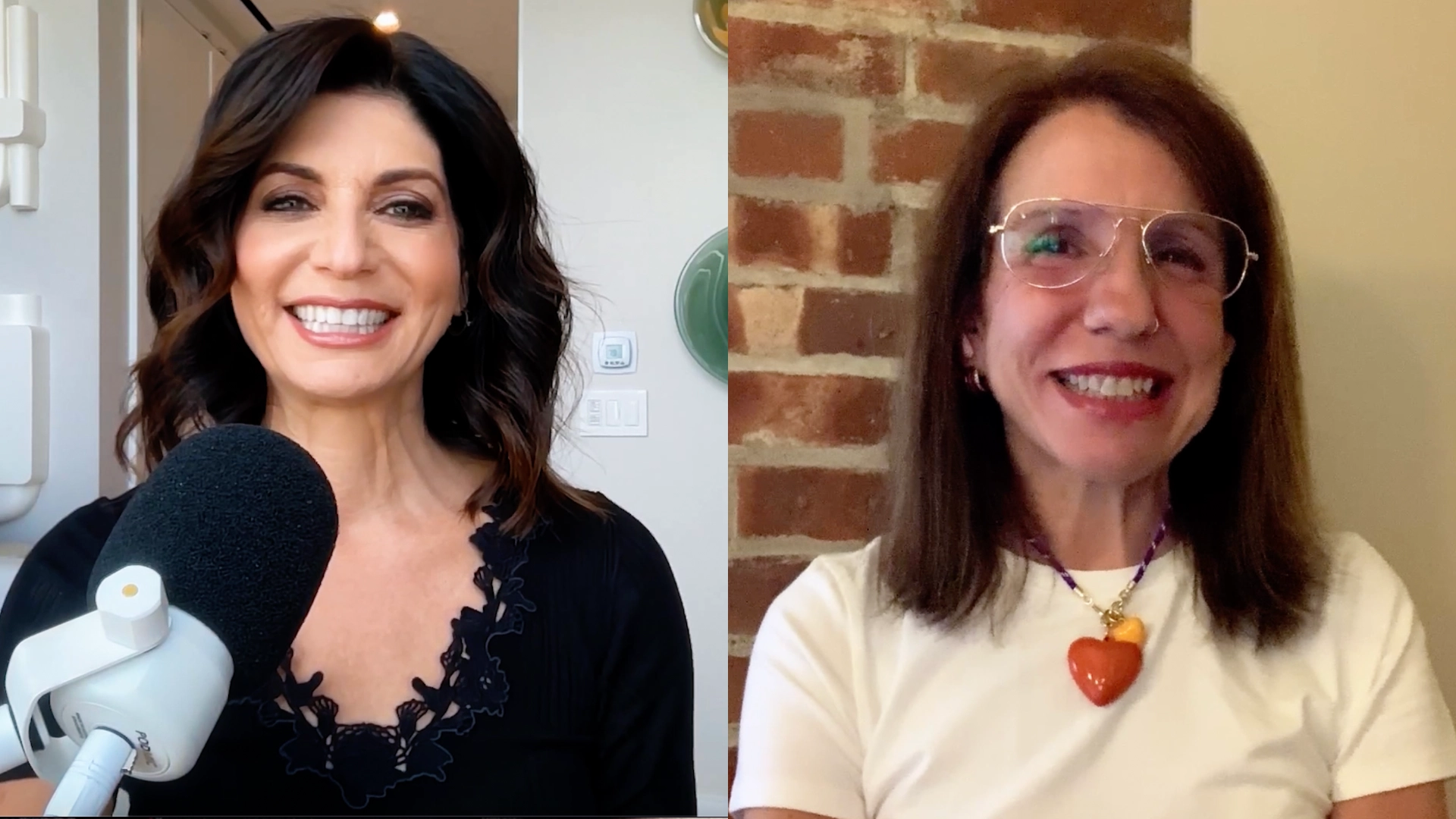
Women everywhere are facing a health care crisis. There aren't enough trained doctors who understand how complex perimenopause is, and too many women are left without clear answers or support. When I was researching my documentary The M Factor, I was shocked by how little menopause training clinicians get in medical school. So I asked Dr. Heather Hirsch, a Harvard-trained internist and menopause specialist, to be our perimenopause tour guide on The Tamsen Show.
This article is for educational purposes only and isn't medical advice. Talk with a qualified clinician about your symptoms and options.
Brain fog isn't just annoying. It's one of the most disruptive symptoms of midlife, and according to Dr. Hirsch, one of the most misunderstood. In two separate studies, one at Harvard and one at her own practice, Dr. Hirsch asked women which symptom most affected their quality of life. The answer wasn't hot flashes or night sweats. It was brain fog.
Estrogen helps regulate serotonin and supports memory and cognition. When it drops, your brain chemistry and how you function can shift dramatically.
The challenge? Many women are diagnosed with depression or prescribed antidepressants when hormones may be part of the picture. Dr. Hirsch noted that hormone therapy isn't FDA-approved for mood, but in 12 years of practice, she has seen it have "such a massive positive impact" on her patients' moods. "I would love a randomized control trial" comparing SSRIs and estrogen for mood changes in perimenopause, she said. In the meantime, she urges women to keep advocating for themselves.
"It's so disruptive to have a wrong diagnosis," Dr. Hirsch said, "because that means you could be reading the wrong books, looking at the wrong information, talking to the wrong people." She described the "good heartbreak" when patients try HRT and wean off other medications. They finally have answers, but they grieve all the years that went by.
Even if you feel fine, some changes are silent. You can't feel your bones losing density until there's a hip or spine fracture. You can't feel plaque building in your arteries. Joint aches are often osteoarthritis, wear and tear, while low bone mass has no feeling at all. Go into this decade thinking about your health goals and the questions you want answered.
We fixate on hot flashes. We joke about them and fan ourselves. But Dr. Hirsch walked me through so much more: adult acne, which she explained can come from an adrenal stress response and spikes in testosterone as estrogen drops, and changes in hair. She calls estrogen the "grow and glow" hormone. As it declines, hair can grow less, break more and change in color or texture.
For women early in perimenopause with severe symptoms before their period, Dr. Hirsch said some find relief from birth control that stops ovulation. Others, under a doctor's care, use postmenopausal-dose estrogen to ease that week.
Dr. Hirsch recommends a menopause assessment around age 48, and every year after that, "because this is the most crucial thing to how women age." She named three things that can land a healthy woman in a nursing home: Alzheimer's, an osteoporotic fracture or a urinary tract infection. She believes women should at least have the conversation about estrogen and understand where these risks come from. Heart disease, the leading cause of death, is also closely tied to the loss of estrogen.
"It's the women who are really making this movement," Dr. Hirsch said. As more of us talk openly, clinicians are becoming motivated to understand that this isn't a sound bite. It's women's lives, longevity and health care.
If you've been handed a prescription but never had a conversation about estrogen, this episode is for you. Bring your questions, write down your symptoms and keep asking until you get answers.
So many of you have written to me about losing words mid-sentence, walking into a room and forgetting why, and wondering whether something is seriously wrong. Too many women are never told it could be connected to their hormones. That's why conversations like this one matter so much to me. If you're feeling foggy, you're not crazy and you're not alone. You deserve a doctor who will sit down and have the full conversation with you.
Listen to my full conversation with Dr. Heather Hirsch on The Tamsen Show.
Dr. Heather Hirsch is a board-certified internist, founder of the Menopause and Midlife Clinic at Brigham and Women's Hospital, CEO of The Heather Hirsch Academy, and author of Unlock Your Menopause Type.
Featured book: Unlock Your Menopause Type