Mindset





Share with a Friend
I was 20 when my mom died.
At that age, I don’t think I understood that grief wasn’t something I would experience once and eventually leave behind. I thought loss happened, you survived it, and at some point you were supposed to be “better.”
I know now that grief doesn’t work that way.
It changes over time. It can get quieter and then suddenly become loud again. A birthday, a smell, a song, a moment when you instinctively want to call someone who isn’t there. Years can pass and grief can still find you.
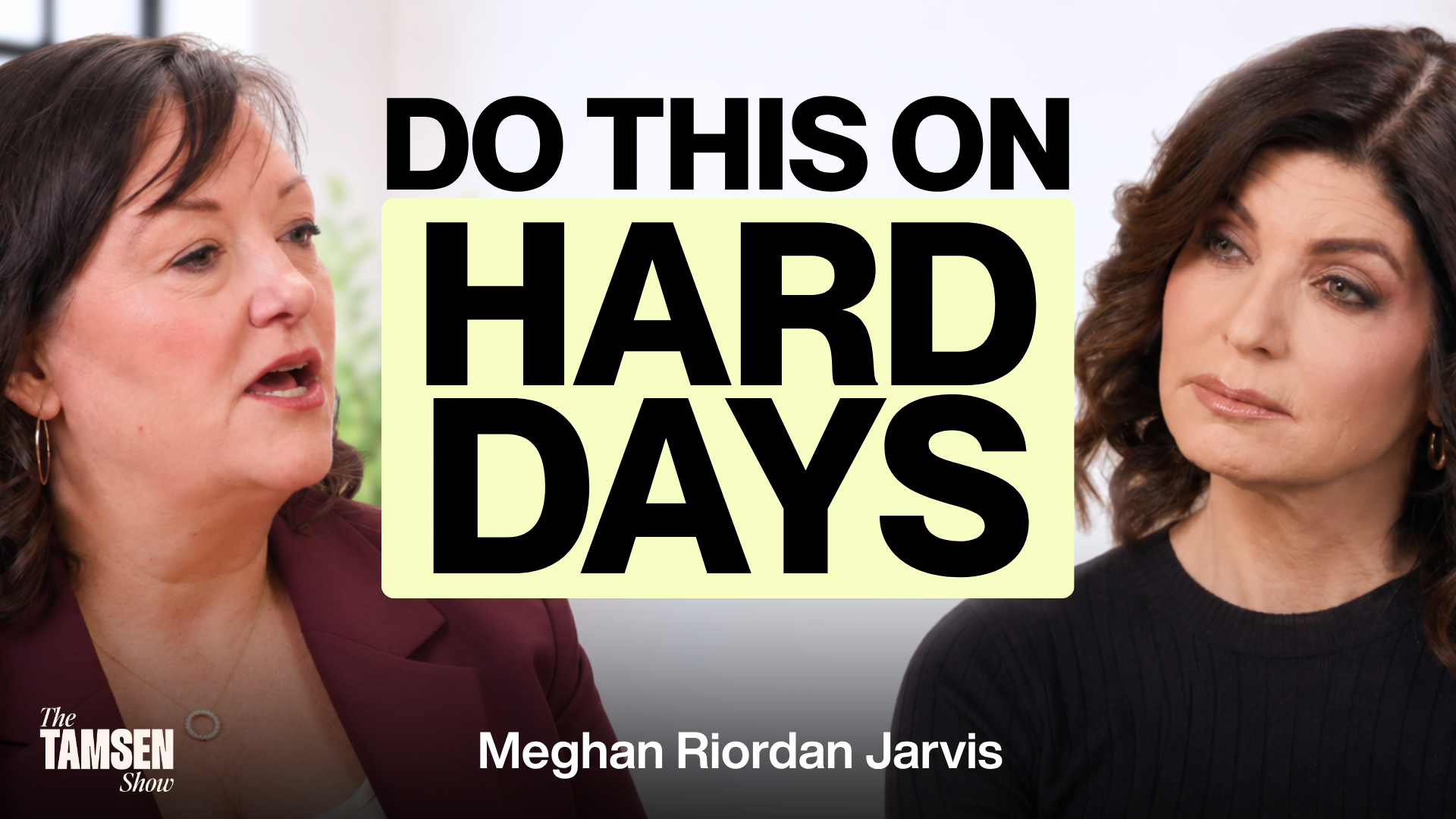
But after sitting down with grief therapist Meghan Riordan Jarvis, I realized there was something else I had misunderstood for a long time.
We talk about grief as an emotion. But grief is also something your body and brain are trying to process.
That helped me make sense of so much.
The exhaustion. The brain fog. The inability to concentrate. The strange feeling that the rest of the world has continued moving while yours has completely changed.
And yet, when someone is grieving, we often expect them to function normally remarkably quickly.
We give people a few days off work. We bring food. We send flowers. Then life resumes.
Except for the person who experienced the loss.
That’s why one of the most important parts of my conversation with Meghan was talking about what actually helps. Not how to make grief disappear, because that isn’t the goal. How to take care of yourself while you are carrying it.
Sometimes that means movement. Sometimes it means rest. Sometimes it means creating a ritual around the person you lost instead of avoiding every reminder of them. Sometimes it means getting outside, eating something when you don’t feel like eating, or calling the person who will sit with you without trying to make the situation better.
None of those things erase what happened.
They give you somewhere to put yourself while you’re living through it.
I wish I had understood that at 20.
I also wish we were better at teaching people how to be around grief. We become so uncomfortable with someone else’s pain that we rush toward something reassuring to say. But there are losses for which there simply isn’t a reassuring sentence.
Sometimes the most loving thing you can do is stop trying to find one.
You can acknowledge that something terrible happened. You can remember the person’s name. You can keep checking in long after everyone else has stopped asking. You can let someone be sad without treating their sadness like a problem you need to solve.
Maybe that’s what I understand differently now.
The goal of grief isn’t to return to the person you were before the loss.
Some losses change you.
The work is learning how to take care of the person you are becoming afterward.
My full conversation with grief therapist Meghan Riordan Jarvis is out now on The Tamsen Show. You can listen to it here or watch it here.
Never Miss a Beat
Related Posts





.jpg)


Relationships