Mindset





Share with a Friend
One of the biggest differences I’ve noticed in my relationship with Ira is something surprisingly simple.
When his name pops up on my phone, my stomach doesn’t drop.
For years, I was in relationships where a phone call could change my entire mood. I had my own Mr. Big, someone who gave me just enough to keep hoping but never enough to feel secure.
And somehow, I always ended up wondering what was wrong with me.
At 55, I’ve learned that feeling anxious all the time isn’t something I want from love. But understanding why I accepted it for so long has been a much bigger lesson.
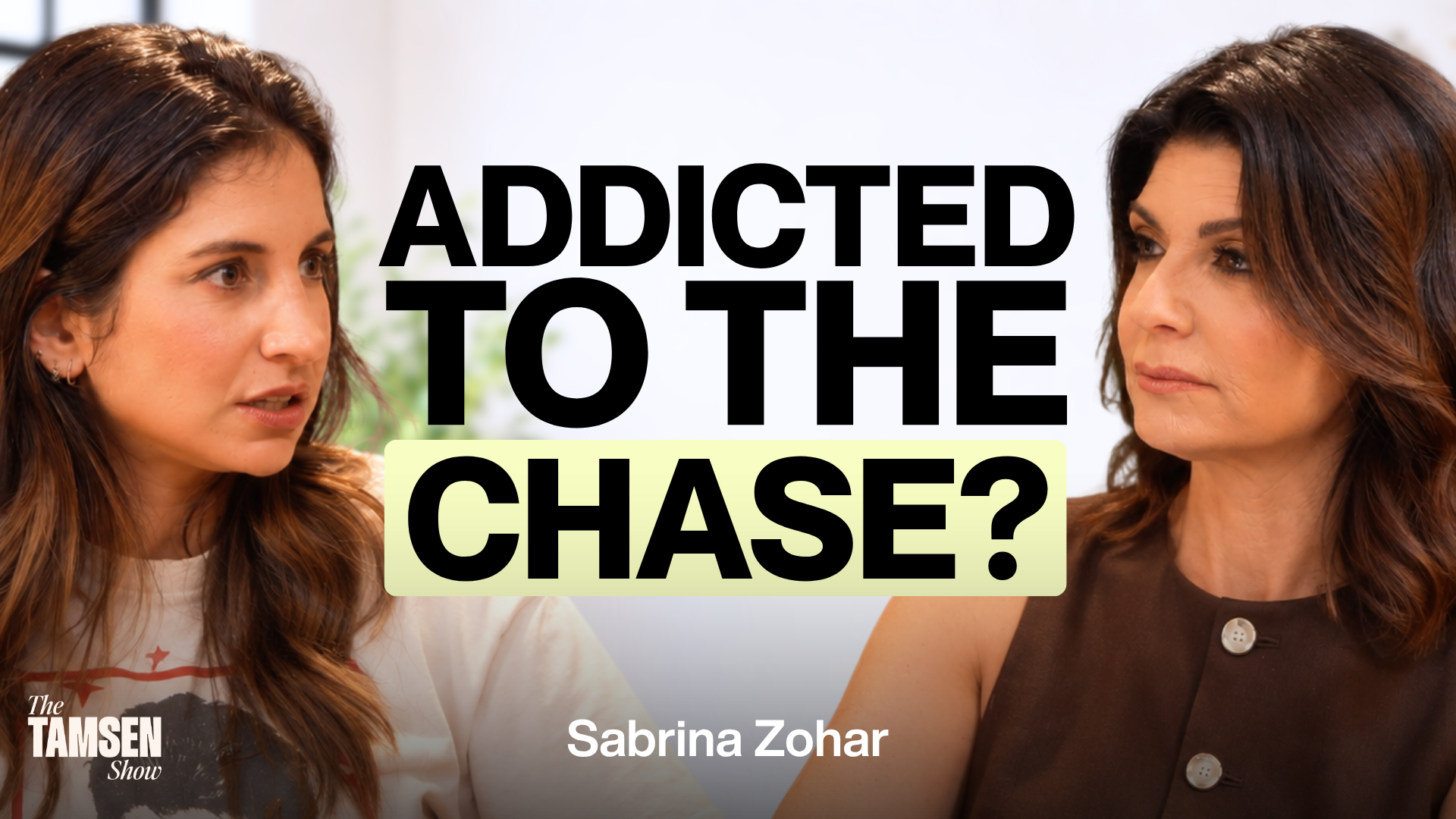
That’s what brought me to my conversation with relationship expert Sabrina Zohar on The Tamsen Show.
Sabrina has experienced relationship anxiety herself. She’s spoken openly about obsessing over unanswered texts, questioning her worth, and repeating patterns she couldn’t seem to escape.
Today, she helps people understand how their early experiences shape the relationships they have as adults.
And what she shared goes far beyond dating.
1. Why Do We Keep Attracting Emotionally Unavailable Partners?
Have you ever looked back at your relationships and realized you’ve dated different versions of the same person?
Sabrina explained a concept called repetition compulsion, the tendency to repeat familiar emotional experiences, even when those experiences are painful.
Sometimes we’re drawn to relationships that reinforce beliefs we formed much earlier in life.
If you grew up feeling that affection was inconsistent, you might find yourself working especially hard to earn someone’s attention as an adult.
Sabrina challenged me to consider something uncomfortable: If we keep choosing emotionally unavailable people, we also need to examine how emotionally available we’re being ourselves.
It’s a question worth asking, especially when the same relationship problems keep appearing.
2. Understanding the Four Attachment Styles
One of the most useful parts of our conversation was Sabrina’s explanation of attachment theory.
Attachment styles describe patterns in how we experience closeness, emotional safety, and connection.
Sabrina walked me through four common styles:
- Secure attachment: You’re comfortable with closeness and independence. You can experience difficult emotions without automatically questioning your worth.
- Anxious attachment: You may fear abandonment, overanalyze messages, or feel distressed when someone becomes distant.
- Avoidant attachment: Emotional closeness can feel overwhelming, leading you to withdraw or create distance when relationships become more intimate.
- Disorganized attachment: You may deeply want connection while also fearing it, creating a painful push-and-pull dynamic.
One thing Sabrina emphasized is that attachment styles shouldn’t become labels we use to judge ourselves or other people.
They’re tools for understanding our behavior.
And importantly, your attachment patterns can change.
3. Why Anxious and Avoidant Partners Get Stuck in the Same Cycle
This part of our conversation explains so many relationships I’ve witnessed over the years.
Sabrina described how an anxious partner often seeks closeness when they sense distance.
An avoidant partner, meanwhile, may seek distance when closeness feels overwhelming.
You can probably imagine what happens next.
One person reaches out for reassurance. The other pulls away. The first person becomes more anxious, and the second feels even more overwhelmed.
It’s exhausting for both people.
Understanding this dynamic doesn’t mean excusing hurtful behavior. It means recognizing what’s happening so you can decide how to respond differently.
4. The Question That Made Me Rethink My Past Relationships
Sabrina asked a question that I’ve been thinking about ever since:
When someone makes you feel rejected, how old do you feel?
Think about that for a moment.
When someone doesn’t text back, criticizes you, or seems emotionally distant, are you responding entirely to what’s happening today?
Or does that feeling remind you of something much older?
Sabrina encourages people to explore two questions:
- How old do I feel when this happens?
- Where did I first learn to respond this way?
The goal isn’t to blame your parents or spend your life analyzing every childhood experience.
It’s to understand why certain situations create such powerful emotional reactions.
And once you recognize those patterns, you can begin making different choices.
5. How to Stop Repeating Unhealthy Relationship Patterns
So what can we actually do with all this information?
Sabrina offered several ideas that are worth putting into practice.
Learn to tolerate uncertainty.
Dating involves discomfort. You won’t always know whether someone likes you, whether you’ll see them again, or where a relationship is going.
The goal is to become more comfortable with uncertainty without letting it determine your self-worth.
Stop making someone else responsible for every uncomfortable emotion.
It’s important to communicate your needs, but it’s equally important to understand your own triggers and reactions.
Pay attention to familiar patterns.
If you repeatedly find yourself pursuing unavailable partners, ask what feels familiar about those relationships.
Work toward secure attachment.
Sabrina calls this earned security. Through self-awareness, healthier communication, and personal growth, people can develop more secure ways of relating to others.
Remember that a partner cannot meet every need.
Sabrina reminded me that friendships, family, and community matter, too. One romantic relationship isn’t supposed to be your entire emotional world.
6. What If You’re Single, Married, or Starting Over After Divorce?
I especially loved that our conversation wasn’t limited to people actively dating.
Maybe you’re divorced and afraid of repeating the same mistakes.
Maybe you’re married but recognize some of these patterns in the way you and your partner communicate.
Maybe you’ve decided you’re happier alone.
Sabrina made an important distinction about that last one. Choosing to be single because you genuinely enjoy your independence is different from avoiding relationships because you’re afraid of being hurt.
It’s worth being curious about what motivates your choices.
And these questions extend beyond romantic relationships. The way we respond to rejection, distance, and conflict can also affect our friendships and families.
What I’ve Learned About Love at 55
I’ve had two marriages. I’ve made mistakes, ignored red flags, and spent far too much time wondering whether I was enough for someone else.
I can’t change those years, but I can understand them differently now.
Today, I love that when Ira calls, I don’t have to wonder where I stand.
And I’m still learning that understanding ourselves is an ongoing process, no matter how old we are.
If you’ve ever wondered why you keep choosing the same kinds of partners, why rejection feels so personal, or how to stop repeating old relationship patterns, I think you’ll appreciate this conversation.
Watch my full conversation with Sabrina Zohar on The Tamsen Show.
[WATCH THE EPISODE]
Frequently Asked Questions About Attachment Styles and Relationship Patterns
Why am I attracted to emotionally unavailable people?
Sometimes emotionally unavailable relationships feel familiar because of earlier experiences with inconsistent affection or emotional connection. Recognizing these patterns can help you make more intentional relationship choices.
Can anxious attachment become secure attachment?
Yes. Attachment patterns are not necessarily permanent. Developing emotional awareness, communication skills, and healthier relationship experiences can help people build greater security.
What is the anxious-avoidant relationship cycle?
It’s a dynamic in which one partner seeks reassurance and closeness while the other withdraws when feeling overwhelmed. These reactions can reinforce each other and create ongoing tension.
How do you stop repeating the same relationship mistakes?
Start by identifying recurring patterns, understanding your emotional triggers, practicing healthier communication, and examining whether your choices reflect your needs and values.
Do attachment styles affect marriage and friendships?
Yes. Attachment patterns can influence how people handle intimacy, conflict, trust, and emotional connection across different types of relationships.
Never Miss a Beat
Related Posts


.png)
.png)
.png)

Relationships